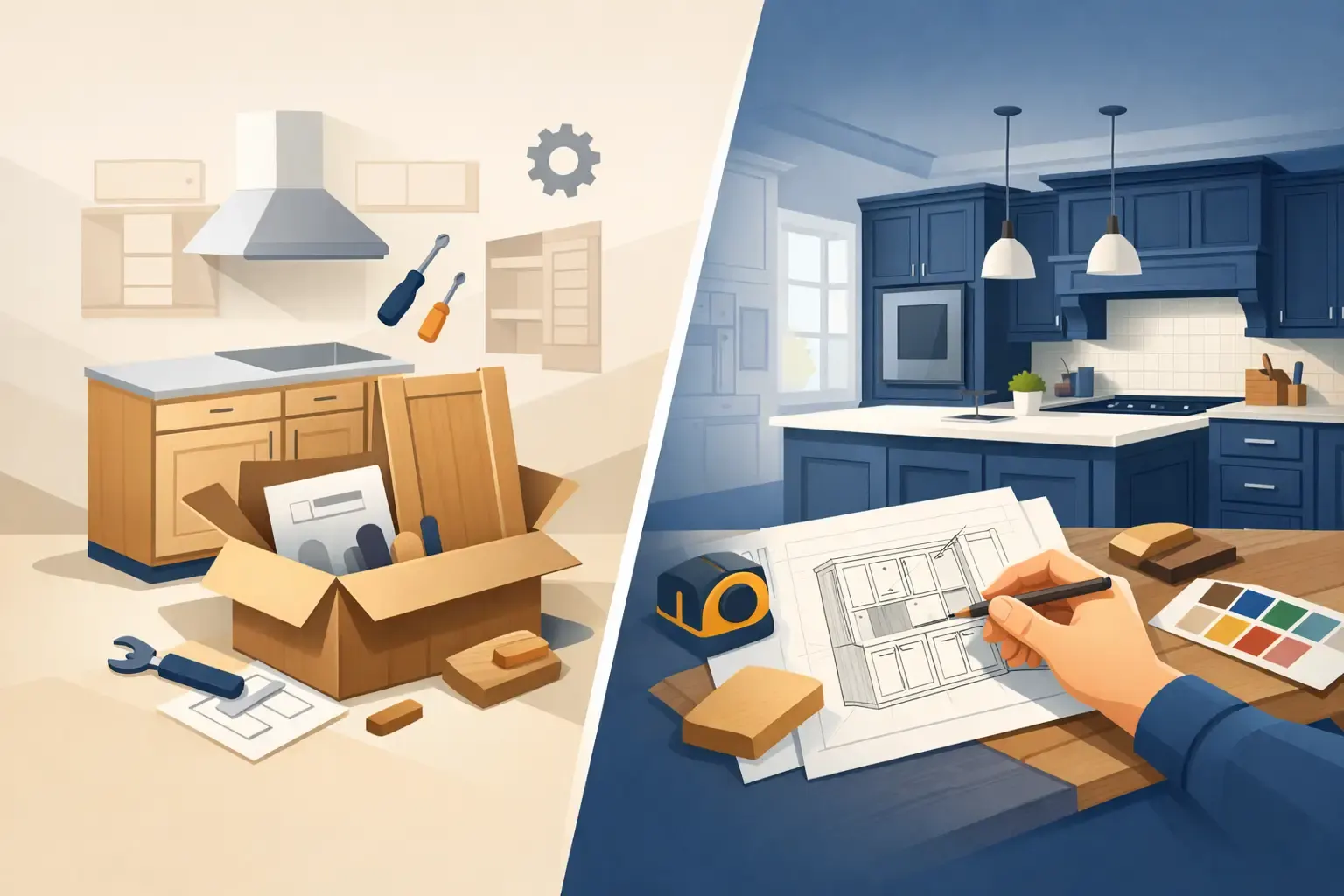
If you are weighing rta cabinets vs custom cabinets, you are probably asking a bigger question than cabinet type alone. You are really deciding how you want your kitchen to function, how long you want it to last, how tailored you want it to feel, and how much renovation stress you are willing to take on. That decision matters because cabinetry is not just a finish choice. It shapes storage, layout, daily use, and the overall quality of the room.
For some Nashville-area homeowners, RTA cabinets are the right way to get a clean, updated kitchen without stretching the budget. For others, custom cabinetry is the better investment because the home, layout, or design goals call for something more exact. The right answer is not about choosing the most expensive option. It is about choosing the right level of fit, finish, and flexibility for your home.
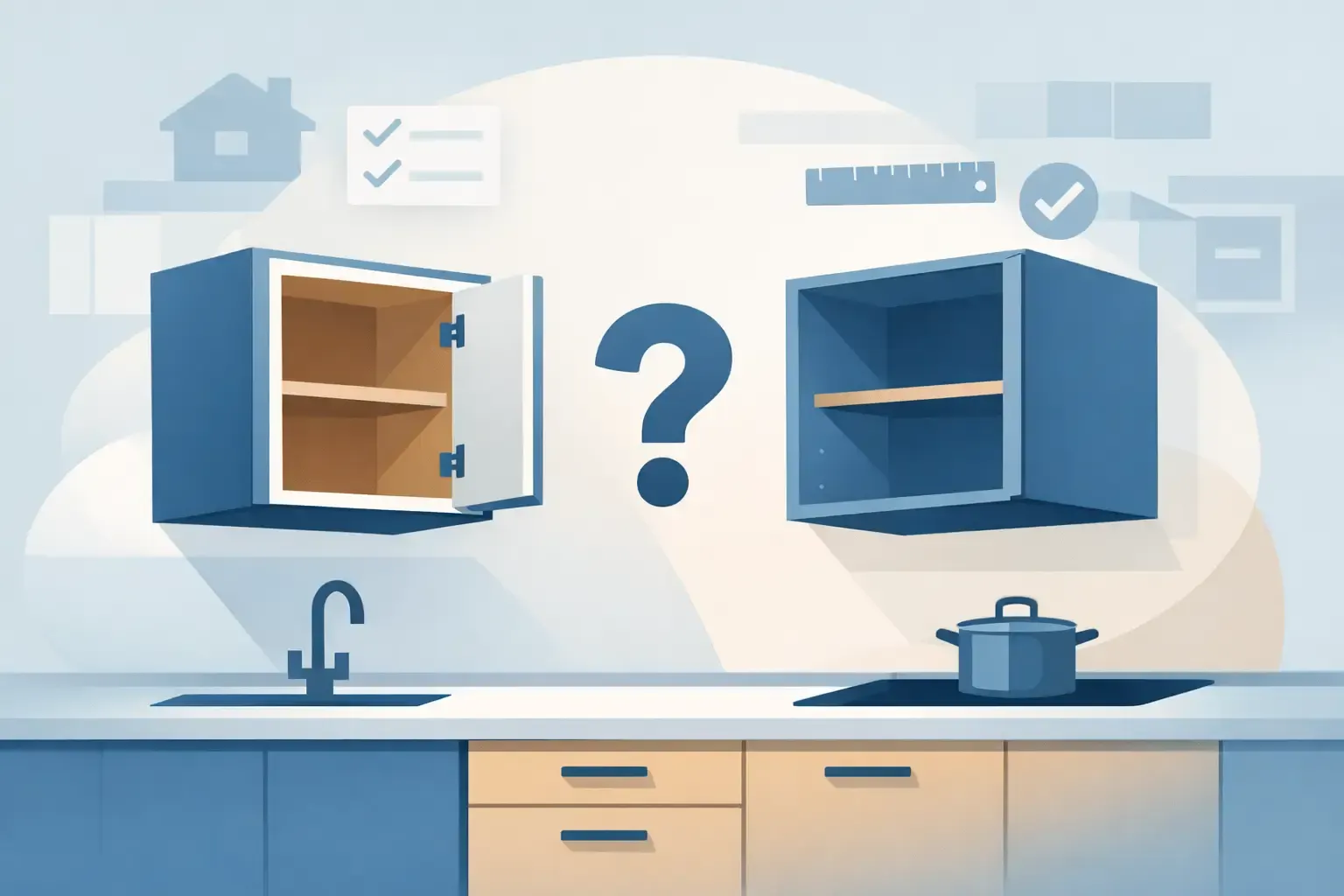
RTA cabinets vs custom cabinets: what is the difference?
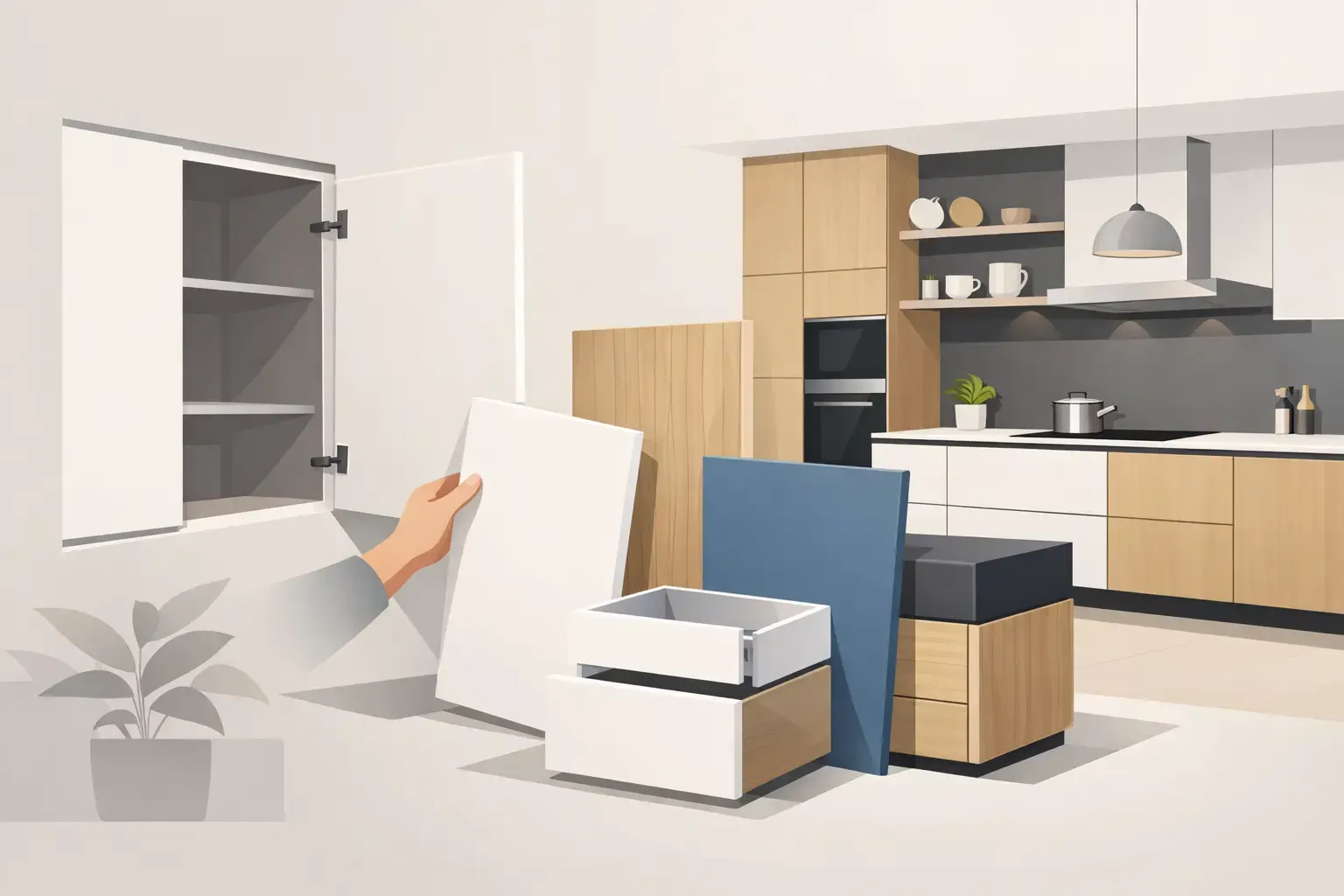
RTA stands for ready-to-assemble. These cabinets are manufactured in standard sizes, shipped flat, and assembled before installation. In most cases, they are designed to offer a faster and more budget-conscious path to a kitchen update. Many homeowners are surprised by how attractive modern RTA options can be, especially compared to older stock cabinet lines.
Custom cabinets are built specifically for your space. That means the cabinet dimensions, wood species, door style, finish, storage features, and trim details are selected to match your home and your priorities. Instead of adapting your kitchen to the cabinet catalog, the cabinetry is built around the way you live.
That one difference changes everything. It affects price, lead time, installation complexity, visual polish, and long-term value.
Cost is usually the first factor, but not the only one
If budget is front and center, RTA cabinets usually win on upfront price. Because they are produced in standard sizes and materials, the manufacturing cost is lower. That can make them a practical fit for rental properties, quick resales, guest spaces, or homeowners who want a meaningful update without a major custom investment.
But lower cabinet cost does not always mean lower project cost in the end. Kitchens with uneven walls, unusual dimensions, older home quirks, or specific storage needs often require fillers, modifications, and design work to make stock sizing fit well. If the installation is not precise, gaps and awkward transitions become more noticeable fast.
Custom cabinets cost more because more is being built into them from the start. You are paying for tailored dimensions, upgraded materials, better joinery, and a finished result that feels intentional from wall to wall. In a primary kitchen, especially in established homes around Franklin, Brentwood, or Belle Meade, that added investment often shows up every day in better function and a more refined look.
Fit and layout are where custom cabinetry starts to separate itself
A kitchen can look good in photos and still be frustrating in daily life. That usually comes down to layout and storage. Standard RTA cabinet sizes work best when the room itself is straightforward. In a simple kitchen footprint, they can provide a clean solution that covers the basics.
The challenge comes when the room is not simple. Older homes often have walls that are out of square, ceiling heights that do not play nicely with standard dimensions, and design details worth preserving. In those spaces, stock sizing can leave dead space, uneven reveals, or a patched-together appearance.
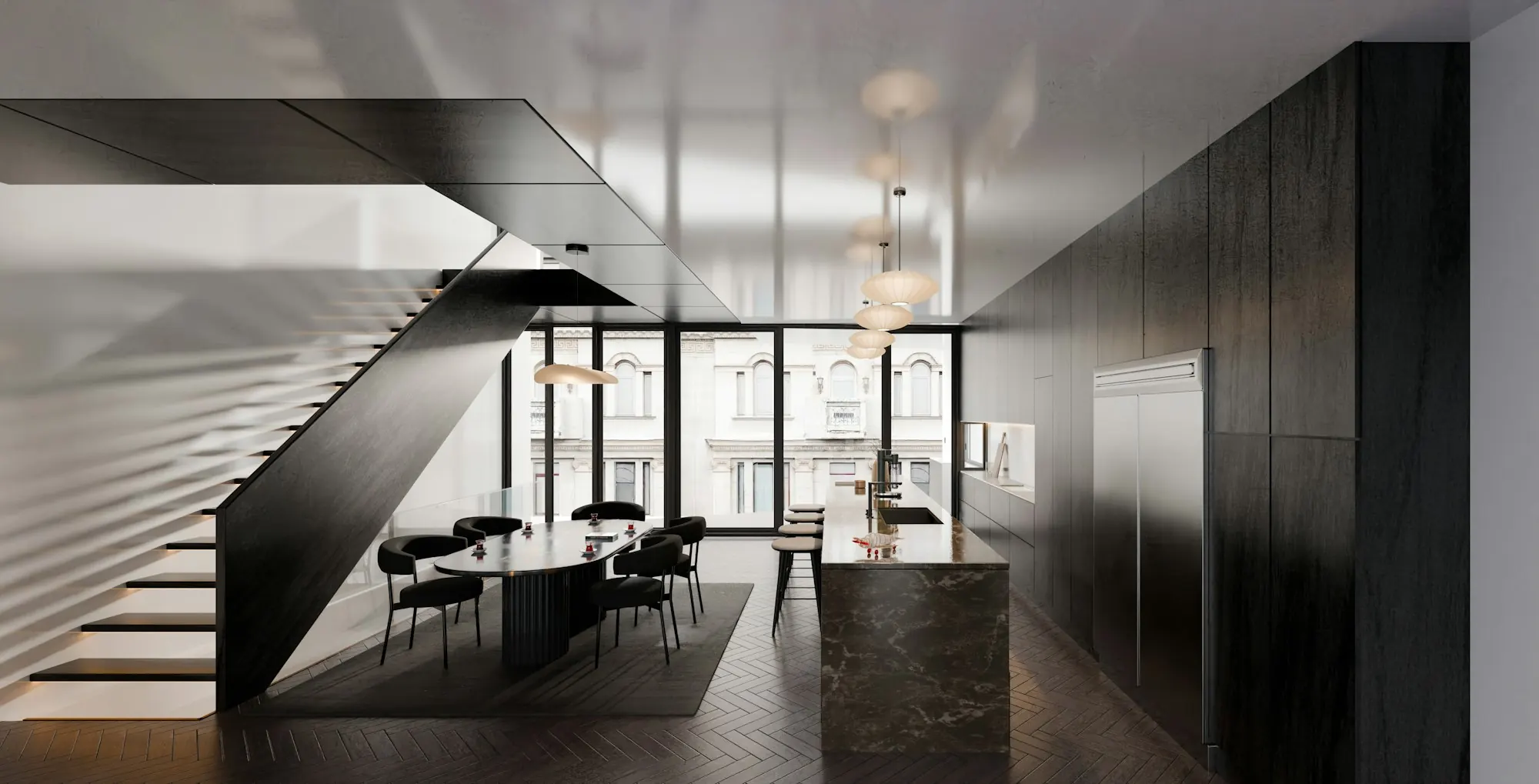
Custom cabinetry solves those issues by using the full room well. That may mean taking cabinets to the ceiling, fitting around architectural features, building deeper storage where it helps most, or creating a furniture-style island that anchors the room. Good custom work does not just fill space. It makes the kitchen feel like it belongs in the home.
Material quality and construction matter more than many homeowners expect
Not all RTA cabinets are built the same. Some are surprisingly solid. Others are made to hit a price point first, with thinner materials, limited finish options, or hardware that may not hold up as well under heavy use. If you are considering RTA, the details matter. Box construction, drawer hardware, door material, and finish durability all deserve a close look.
Custom cabinets offer more control over those details. You can choose materials based on how you use the space, not just what comes standard. If you cook often, need stronger drawers, prefer solid wood construction, or want architectural millwork details that tie the kitchen into the rest of the home, custom gives you room to make those choices.
That does not mean every homeowner needs top-tier cabinetry in every project. It does mean that a kitchen used hard by a busy family has different demands than a lightly used secondary space. The best choice depends on how real life happens in your home.
Style flexibility is another major difference
RTA cabinets have come a long way in style. You can find shaker profiles, painted finishes, wood looks, and popular colors that feel current and attractive. If your goal is a clean, classic kitchen without highly specific design requirements, that may be enough.
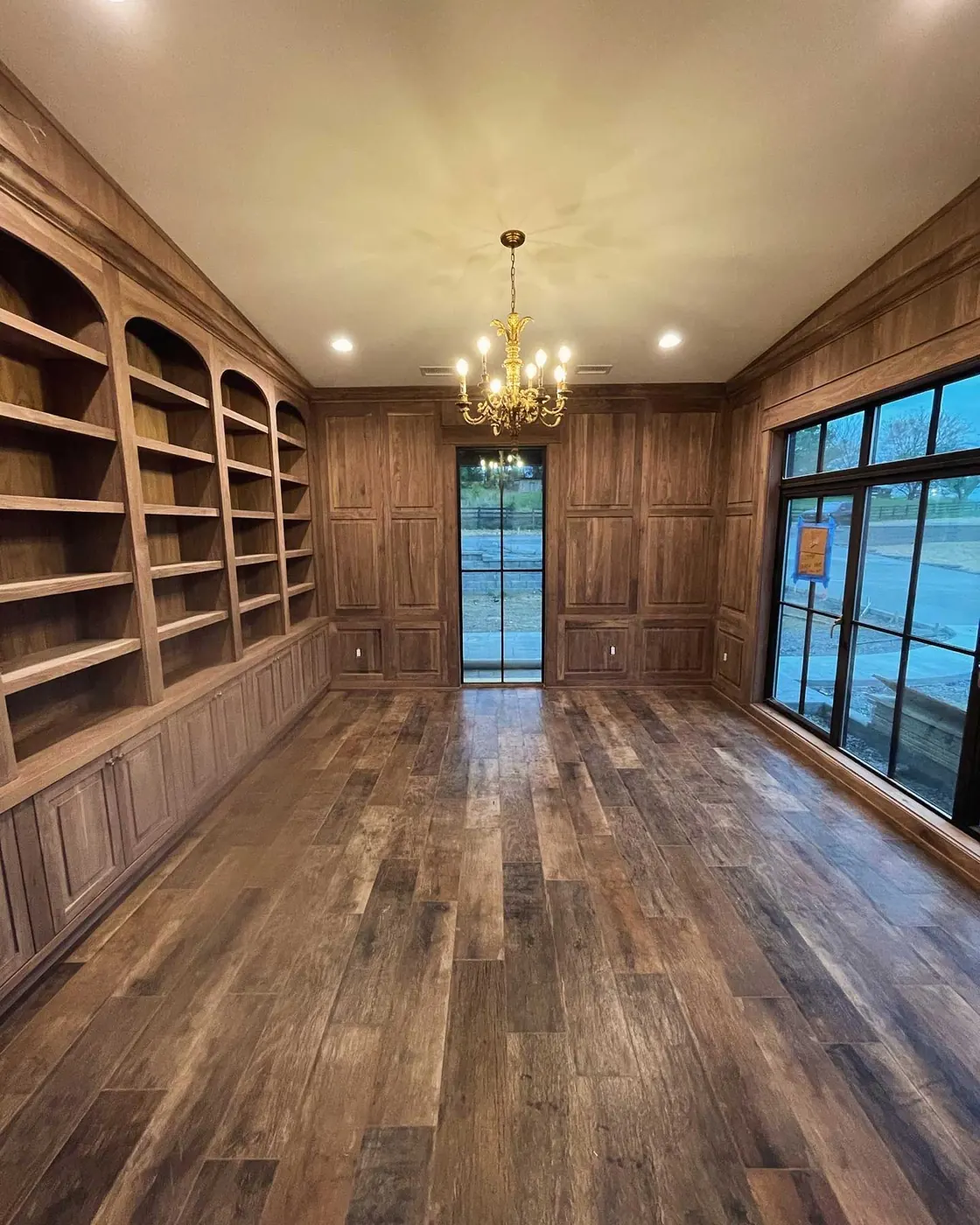
Custom cabinetry opens the door wider. You are not limited to a set menu of sizes and styles. You can match historic character, create a very specific paint or stain finish, build inset cabinetry, include custom hood surrounds, or carry the same design language into a pantry, mudroom, laundry room, or built-ins nearby.
This matters most when you want the kitchen to feel less like a product and more like part of the home. In higher-visibility remodels, that difference is hard to miss.
Timeline can make the decision for you
Sometimes the best cabinet choice is the one that fits the schedule. RTA cabinets are often faster to source and install, which can be a major advantage if you are preparing for a move, trying to reduce time without a working kitchen, or updating a property on a deadline.
Custom cabinetry usually takes longer because design, production, finishing, and installation are more involved. That longer timeline can be well worth it when the project needs precision, but it does require planning. Homeowners who value a smooth remodel tend to do best when timeline expectations are set early and clearly.
This is one place where good guidance matters. A rushed custom plan can create delays, and a poorly chosen stock solution can create compromises you live with for years. The goal is not speed alone. It is choosing the right path with open eyes.
Which option adds more value?
Value depends on what you mean by the word. If you mean immediate savings, RTA cabinets usually offer better short-term value. They can dramatically improve the look of a dated kitchen without the price of a fully bespoke build.
If you mean long-term satisfaction, design fit, durability, and resale appeal in a quality-conscious neighborhood, custom often carries stronger value. Buyers notice kitchens that feel thoughtfully designed. Homeowners notice even more. Better storage, better proportions, and better craftsmanship affect how the room feels every single day.
There is also a middle ground that many homeowners overlook. Not every kitchen needs an all-or-nothing answer. In some projects, a well-selected RTA cabinet line paired with professional design and installation creates a strong result for the budget. In others, custom cabinetry may be the smartest move in the main kitchen while simpler cabinetry works in secondary spaces. Thoughtful planning usually matters more than labels.
How to choose between RTA cabinets vs custom cabinets for your home
Start with the room itself. Is your kitchen a straightforward layout, or does it have design challenges that standard sizes will struggle to solve? Then consider how long you plan to stay. If this is the kitchen you want to enjoy for years, daily function and material quality deserve more weight.
Next, be honest about your priorities. If staying within a tighter budget and moving quickly are most important, RTA may be the right fit. If you care most about a tailored look, premium materials, and maximizing every inch, custom is usually the better path.
Finally, think about who is guiding the project. Cabinet decisions look simpler on paper than they do once measurements, fillers, trim details, appliance fit, and installation conditions come into play. A good remodeling partner helps you compare options clearly, understand trade-offs, and avoid expensive surprises. That is where experience makes a real difference.
At Tom Bell Cabinetry & Custom, we see homeowners breathe easier when they realize they do not have to choose between quality and practicality. Some kitchens truly call for fully custom craftsmanship. Others are better served by a faster, budget-conscious cabinet plan executed with care. What matters most is having a solution that fits your home, your budget, and the way your family actually lives.
The best kitchen is not the one that checks the most luxury boxes. It is the one that feels right every time you walk into it, works well on busy mornings and slow evenings, and makes you glad you invested in your home.
Built in Nashville, Not Shipped in a Box
Tom Bell Cabinetry builds custom cabinets in Nashville, TN in our own Madison shop, using solid hardwood, plywood boxes, and a crew that measures, builds, and installs the same job. We also handle architectural millwork and custom built-ins across Middle Tennessee.
Call (615) 469-2781 for a free estimate.