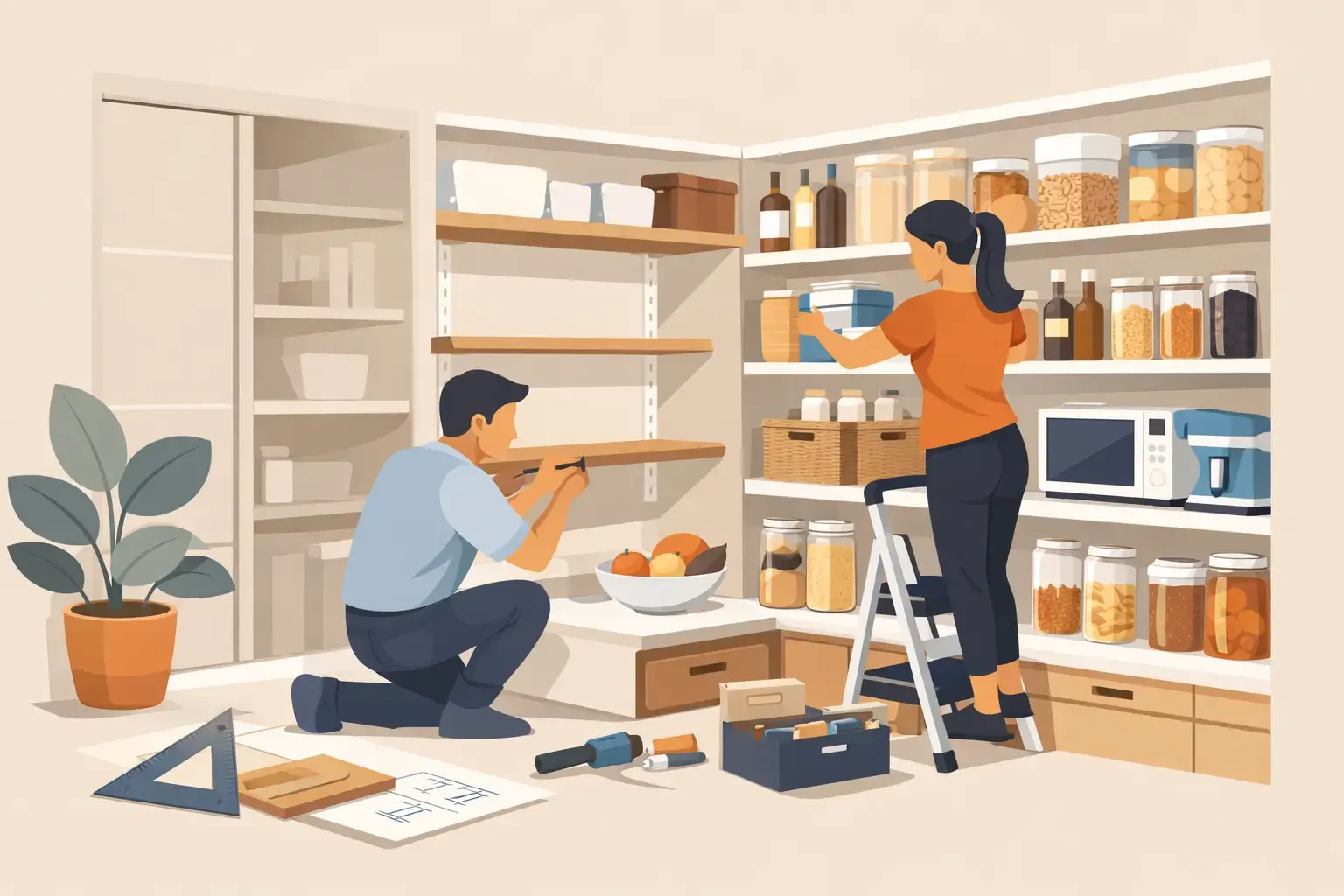
A pantry usually starts causing problems long before most homeowners decide to fix it. Shelves are too deep, too shallow, too far apart, or simply in the wrong place for the way a family actually shops and cooks. A good custom pantry shelving guide starts there – not with a style trend, but with the everyday frustration of digging past cereal boxes, stacking cans in unstable rows, and wasting space you already have.
The best pantry shelving feels effortless once it is built. Small appliances have a home. Dry goods stay visible. Cleaning supplies are separated from food. And instead of adapting your routine to a generic shelf layout, the pantry is shaped around your household.
Why a custom pantry shelving guide matters
Stock shelving can work in some homes, especially when the goal is a quick, budget-conscious improvement. But pantry storage is one of those areas where standard sizes often leave money on the table. You can end up paying for more square footage without getting more usable storage.
Custom shelving solves a different problem than basic shelving kits. It addresses access, visibility, weight, and workflow. That matters if you keep bulk items on hand, have children reaching for snacks, use small countertop appliances regularly, or want the pantry to look as polished as the rest of the kitchen.
It also helps prevent a common remodeling regret: beautiful cabinetry in the kitchen paired with a pantry that still feels like an afterthought. When the pantry is designed with the same level of care, the whole space works better.
Start with how your pantry is actually used
Before choosing shelf depths or finishes, take inventory of what lives in the pantry now and what should live there in the future. A family that buys in bulk from warehouse stores needs a different layout than a couple who cooks often but shops more frequently. The right plan depends on your habits.
This is where many homeowners save themselves stress by slowing down for a day or two. Pull everything out. Group it naturally. Snacks, canned goods, baking supplies, paper goods, serving pieces, water bottles, pet food, small appliances, and overflow staples should all be counted separately. Once you see the categories clearly, the shelving plan gets easier.
If your pantry also acts as a household catch-all, be honest about that. There is no benefit in designing for an ideal life that does not match real life. A pantry that supports your routine will always feel more valuable than one designed only for photos.
Custom pantry shelving guide: the dimensions that matter most
Most pantry design issues come down to proportion. Deep shelves sound useful, but if they are too deep, items disappear in the back. Tall openings seem flexible, but too much vertical space can leave half the shelf wasted.
For dry goods, canned goods, and everyday pantry items, moderate shelf depth usually works better than oversized shelving. Visibility matters as much as capacity. If you cannot see what you have, you will overbuy and underuse the space.
Adjustable shelves can be a smart choice when you want flexibility, especially for growing families or changing storage needs. Fixed shelves, however, often feel sturdier and more tailored when the pantry categories are well defined. Neither option is universally better. It depends on whether you value adaptability or a more built-in, furniture-like result.
Spacing should follow the products you use most. Shorter openings suit cans, jars, and spices. Mid-height sections are useful for cereal, pasta, and boxed goods. Taller bays can handle mixers, blenders, or bulk paper products. This mix creates more usable storage than repeating the same shelf height from top to bottom.
Choosing the right pantry layout
A reach-in pantry and a walk-in pantry should not be designed the same way. Reach-in pantries benefit from a tighter, more intentional arrangement where every inch counts. Walk-in pantries offer more flexibility, but they can also become cluttered if the perimeter is not planned carefully.
In a reach-in pantry, side walls are valuable. Narrow shelving on the sides can hold spices, oils, or snack items without crowding the main storage wall. In a walk-in pantry, the back wall often works well for bulk storage, while side walls can be assigned to daily-use categories for easier access.
Corner layouts need extra attention. Poorly planned corners become dead zones. Sometimes that can be solved with open corner shelves, and sometimes it is better to avoid forcing storage into awkward angles at all. The right answer depends on the room size and whether convenience or maximum capacity matters more to you.
Material choices affect performance, not just appearance
Pantry shelving has to do more than look good. It needs to hold weight over time, resist sagging, and stand up to regular use. That is why material selection matters.
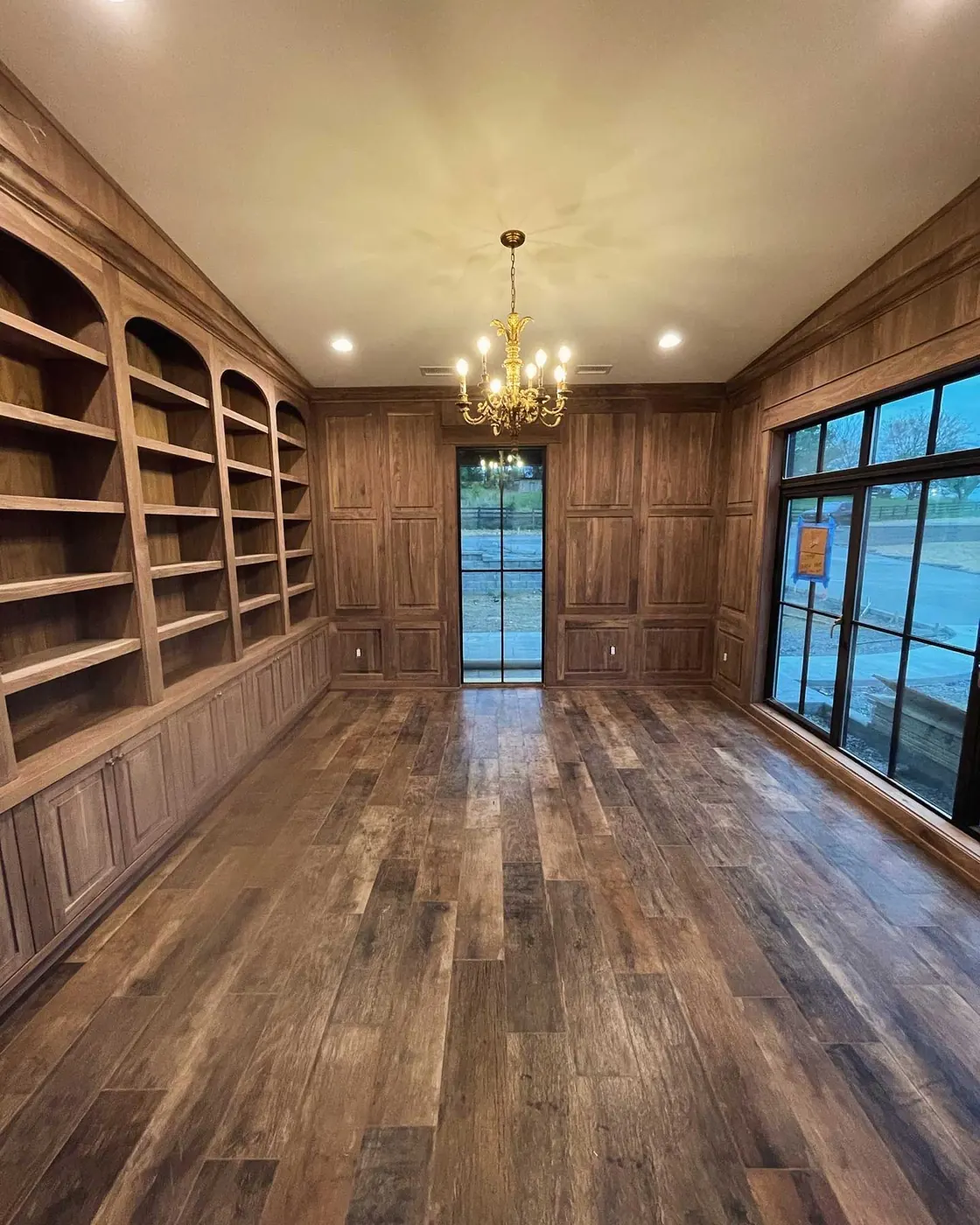
Solid wood offers strength, durability, and a refined finish that pairs beautifully with custom kitchen cabinetry. It is often the best fit for homeowners who want a long-term solution and a built-in look. Quality plywood can also perform very well and may be a smart value choice, especially when painted or finished to match surrounding cabinetry.
Wire shelving is usually the most budget-friendly option, but it comes with trade-offs. Small items tip, bags sag between supports, and the look is typically less finished. For utility spaces, that may be acceptable. For a pantry that is part of a kitchen renovation, many homeowners prefer shelving that feels more substantial and visually consistent.
Shelf thickness matters too. Heavy canned goods, appliances, and bulk items can strain weak shelves over time. A clean design should still be engineered for daily life.
Features worth considering in a custom pantry shelving guide
The best pantry upgrades are often the ones you notice every day without thinking about them. Pull-out shelves can make lower storage far easier to use, especially for heavier items or deep spaces. Vertical dividers help organize trays, cutting boards, and baking sheets. Drawers are useful for snacks, produce, or linens when you want more concealment and better organization.
Lighting can make a bigger difference than homeowners expect. A dark pantry feels crowded even when it is well organized. Good lighting improves visibility, reduces frustration, and gives the entire space a cleaner, more finished character.
There is also value in leaving some room for change. A fully optimized pantry should still have a little flexibility. Households evolve. Kids grow. Cooking habits change. A smart design solves today’s problems without boxing you into a layout that feels rigid two years from now.
Balancing budget and customization
Not every pantry needs a fully bespoke build to improve dramatically. Sometimes the right answer is a hybrid approach that prioritizes custom elements where they make the biggest difference. That might mean investing in stronger shelving, adding a few pull-outs, or designing around a tricky footprint while keeping simpler sections more straightforward.
This is where transparent planning matters. Homeowners often assume custom means out of reach, when in reality the scope can be tailored. A pantry can be designed for real life and real budgets if the priorities are clear from the start.
If your pantry is part of a larger kitchen remodel, coordinating the materials, style, and installation schedule usually leads to a more cohesive result. It can also reduce the patchwork feeling that happens when storage upgrades are handled in pieces over time.
Common mistakes to avoid
The biggest mistake is designing for volume instead of usability. More shelves do not always mean better storage. If the spacing is wrong, the pantry becomes harder to use.
Another common issue is ignoring the weight of what the shelves will hold. Pantry storage is not decorative shelving. It has to support real load day after day.
It is also easy to underestimate how much visual order affects the room. Even if a pantry door stays closed most of the time, a clean, well-built interior changes how the kitchen feels. Homeowners notice that difference every single week.
For families in Nashville-area homes where kitchens often serve as the center of daily life, that kind of practical improvement can have an outsized impact. A pantry that supports busy mornings, weeknight dinners, and holiday hosting is not a luxury add-on. It is part of making the home work better.
When to bring in a professional
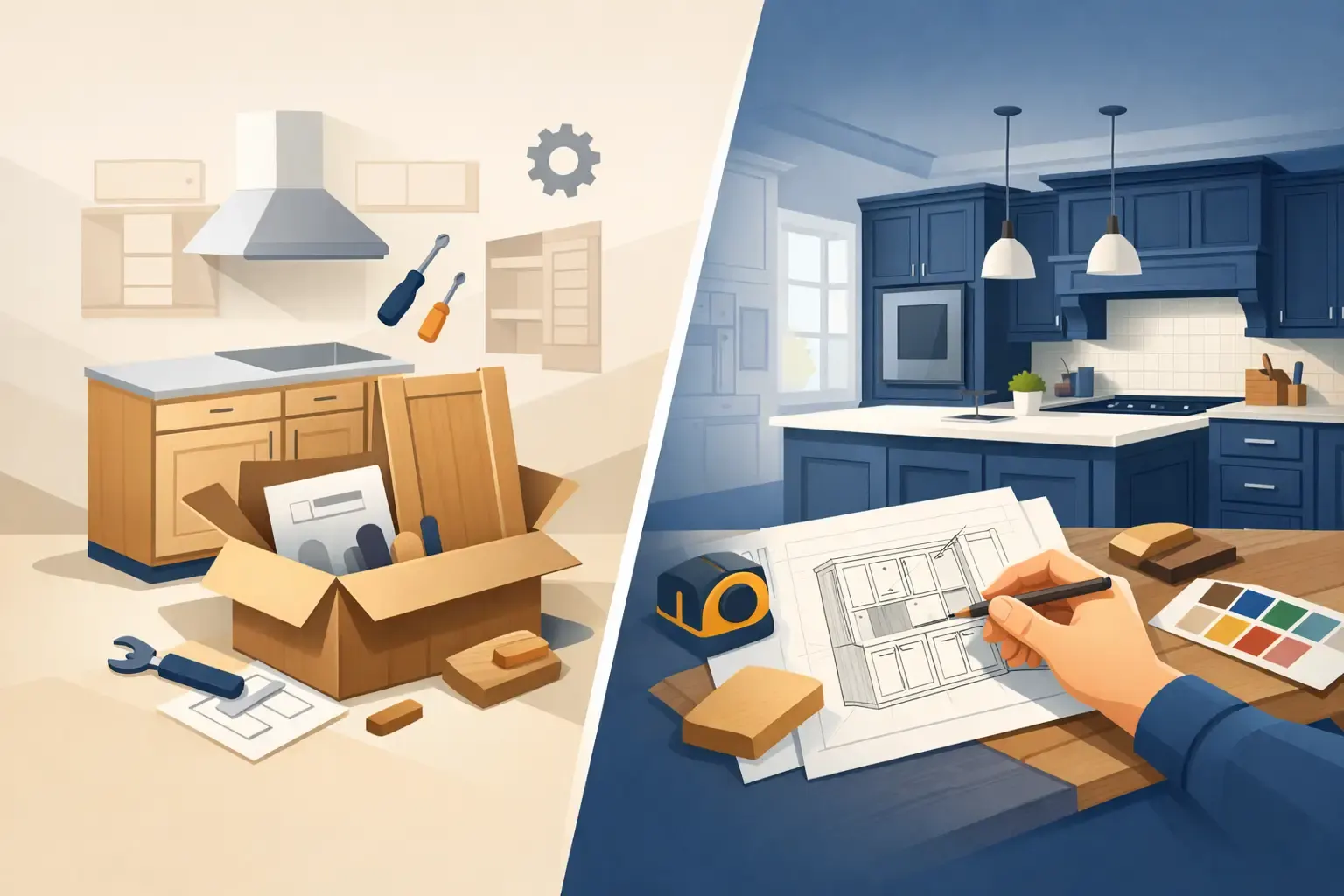
If your pantry has unusual dimensions, awkward corners, flooring or trim changes, or you want the finish to match surrounding cabinetry, professional design and installation are usually worth it. The same is true if the pantry is part of a broader kitchen update and you want the result to feel intentional rather than pieced together.
A well-planned pantry should remove friction, not add another layer of decisions and uncertainty. That is why many homeowners prefer a guided process with clear measurements, material options, and upfront pricing. Tom Bell Cabinetry & Custom approaches projects with that level of clarity because good craftsmanship should feel reassuring from the first conversation to the final installation.
A pantry does not need to be oversized to feel impressive. It just needs to be thoughtful. When shelving is built around the way your family lives, the room gets easier to use, the kitchen feels calmer, and the storage finally earns its square footage.
Storage Built for Your Space
Pantries, vanities, mudroom lockers, and window seats: we design and build custom built-ins for Nashville homes, scribed to fit walls that are rarely square. Pair them with custom cabinetry or custom millwork and trim for a consistent look room to room.
Call (615) 469-2781 for a free estimate.