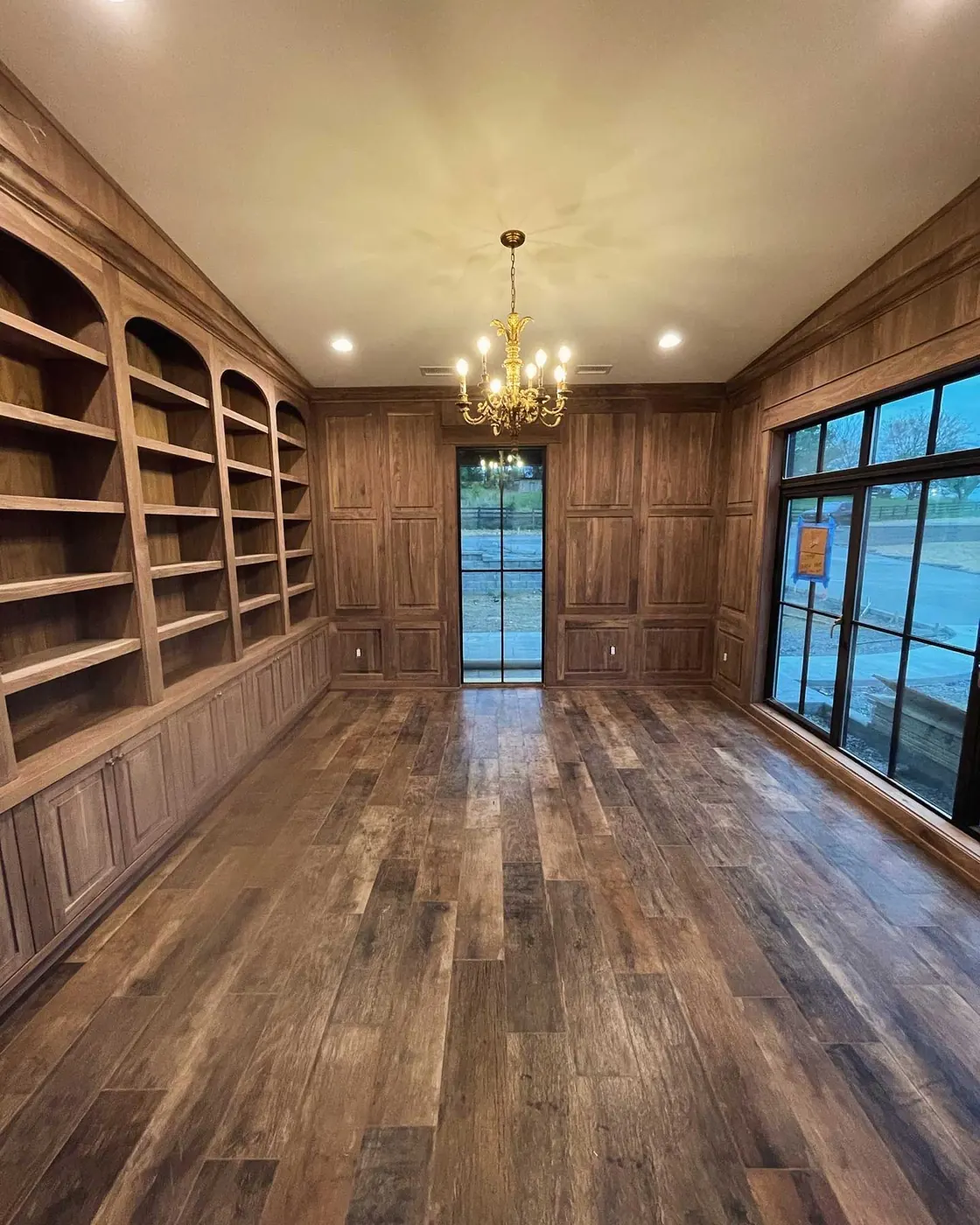
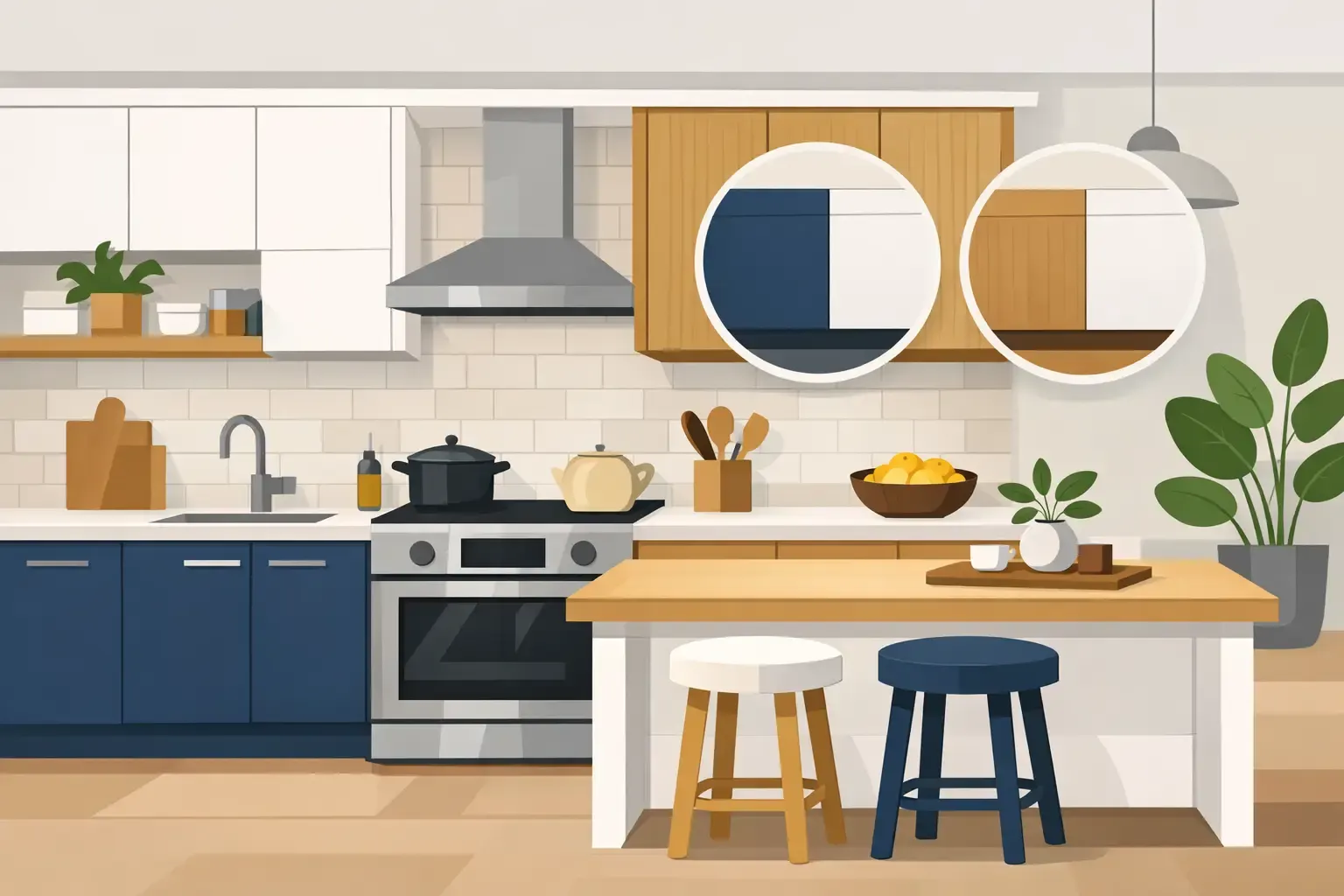
The fastest way to make a kitchen feel custom is often not a full gut renovation. It is choosing cabinetry with more intention. For many homeowners, the best two tone kitchen cabinets strike that balance perfectly – they add depth, break up visual heaviness, and give the room a designed look without feeling trendy for trend’s sake.
Done well, two-tone cabinets can make a kitchen feel larger, brighter, and more personal. Done poorly, they can look busy or dated before the paint is even dry. The difference usually comes down to proportion, material quality, and choosing colors that work with your home instead of against it.
Why the best two tone kitchen cabinets work so well
A single cabinet color can be beautiful, especially in a smaller kitchen or a more traditional home. But one finish from wall to wall can also flatten the space. Two-tone cabinetry introduces contrast in a way that feels thoughtful rather than loud.
Most often, homeowners use a lighter color on upper cabinets and a darker color on lowers or the island. That simple shift grounds the room visually. It also keeps a kitchen from feeling top-heavy or overly dark. In open-concept homes around Nashville, where the kitchen is part of the main living space, this layered look can help the room feel more like furniture and less like a row of boxes.
There is also a practical side. Darker lower cabinets tend to hide scuffs and everyday wear better, which matters in busy family kitchens. Lighter uppers reflect light and help the room feel open. So while two-tone cabinets are a design choice, they are not just about appearance.
The most timeless two-tone cabinet combinations
Not every pairing has staying power. If your goal is a kitchen you will still love years from now, it helps to start with combinations that feel grounded and architectural.
White uppers with stained wood lowers
This is one of the safest and strongest choices if you want warmth without making the kitchen feel dark. White or soft off-white uppers keep the room bright, while stained wood lowers add texture and character. It works especially well in homes that lean transitional, organic, or lightly traditional.
The key is choosing a wood tone with enough richness to feel intentional. A flat, orange-leaning stain can date the room quickly. A mid-tone walnut look, a warm oak, or a deeper brown often feels more refined.
White perimeter cabinets with a darker island
If you are hesitant about fully committing to upper-and-lower contrast, this is often the best place to start. Keeping the main cabinetry one light neutral and using a darker island gives you two-tone interest without making the room feel divided.
Navy, charcoal, deep green, and warm black all work here, depending on the style of the home. This approach is especially effective when the island is large enough to feel like a focal point.
Greige and white
For homeowners who want softness instead of strong contrast, greige lowers with white uppers can be a smart choice. It adds dimension, but the transition stays subtle. This works well in kitchens with natural stone, brushed brass, or warm wood flooring.
It is also forgiving. If you are worried about committing to bold color, this pairing offers a custom look while staying comfortably neutral.
Natural wood and painted cabinets
Mixing painted cabinetry with natural wood can create a high-end custom feel when the materials are right. For example, a painted perimeter with a white oak island can look beautiful and current without feeling overdone.
This approach usually works better when the wood is featured in one defined zone rather than scattered randomly. Too many finishes can make a kitchen feel fragmented.
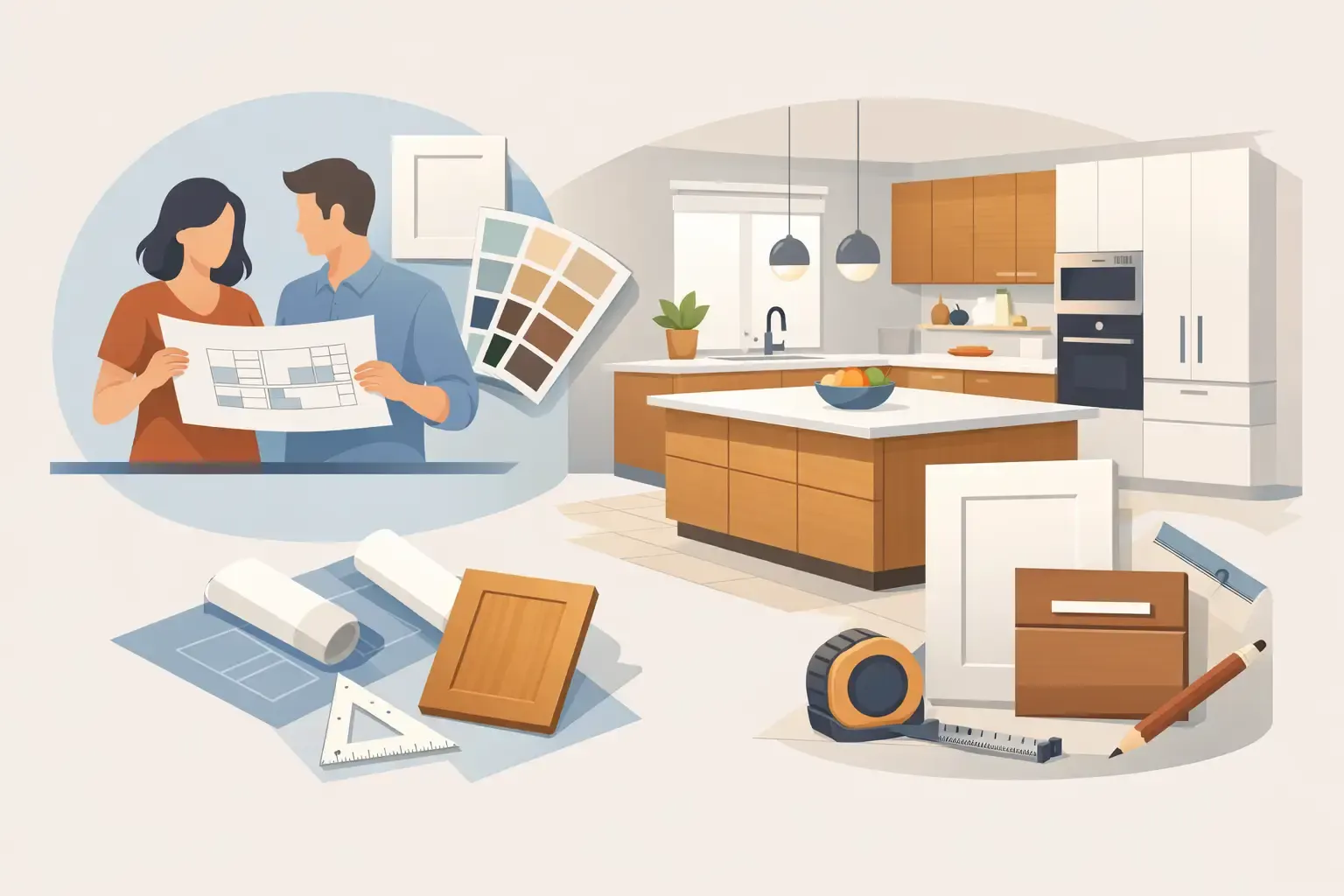
How to choose the best two tone kitchen cabinets for your layout
The best color combination on paper may not be the best fit for your kitchen. Cabinet layout, ceiling height, natural light, and even how your kitchen connects to nearby rooms all matter.
In smaller kitchens
Lighter palettes usually perform better, especially if the room has limited natural light. That does not mean you need an all-white kitchen. It means the darker tone should be used strategically. A darker island or lower cabinets can still add depth, but keeping uppers light prevents the room from closing in.
In large open kitchens
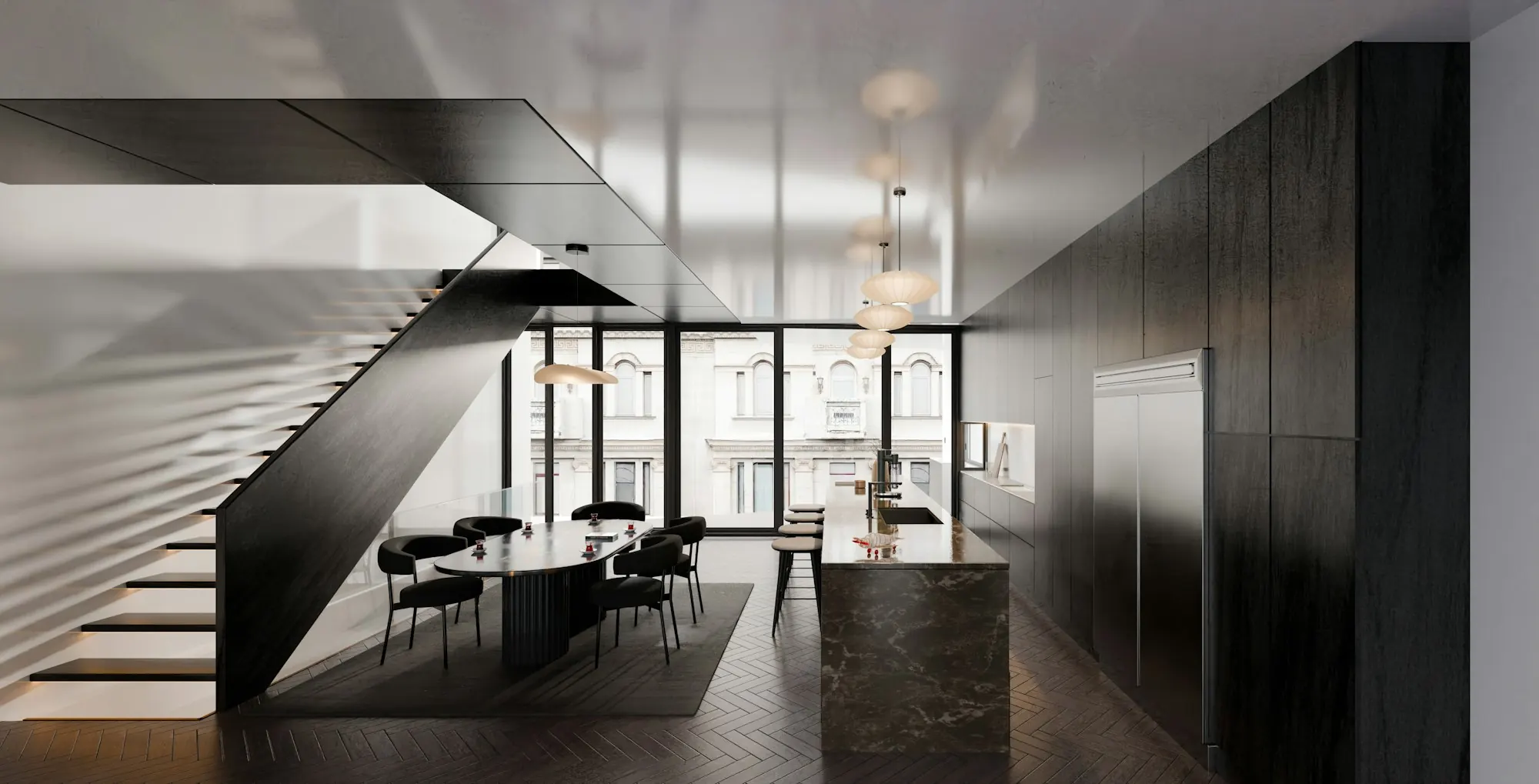
You have more flexibility. A larger kitchen can handle stronger contrast, richer wood tones, and deeper paint colors without feeling crowded. In these spaces, two-tone cabinets can help define zones, especially if the island serves as a gathering space for family or guests.
In traditional homes
Classic pairings often age best. Cream with a stained island, soft white with muted gray, or warm painted cabinetry with wood accents usually feel more appropriate than sharp black-and-white contrast. The goal is to respect the architecture of the home while still freshening the kitchen.
In modern or transitional homes
Cleaner contrast tends to work well. White and walnut, black and white, or taupe and oak can give the space a tailored look. Flat or shaker-style doors are often the most versatile for this style range.
Common mistakes to avoid
Two-tone cabinets are not difficult to get right, but they do require discipline.
One common mistake is choosing two colors that compete instead of complementing each other. If both tones are equally dominant, the kitchen can feel unsettled. Usually one finish should lead, while the second acts as an accent.
Another issue is ignoring the fixed elements in the room. Countertops, backsplash, flooring, and wall color all influence how cabinet colors read. A cabinet sample that looks perfect under showroom lighting may feel completely different next to your existing floors.
There is also the question of undertones. Warm white and cool gray can clash. So can a red-toned wood floor with a yellow-toned cabinet stain. These details matter more than homeowners often expect.
And finally, not every trend deserves a long-term commitment. A dramatic color you love online may be something you tire of in daily life. Kitchens should photograph well, but more importantly, they should feel right on a Tuesday morning.
Budget matters, but so does construction quality
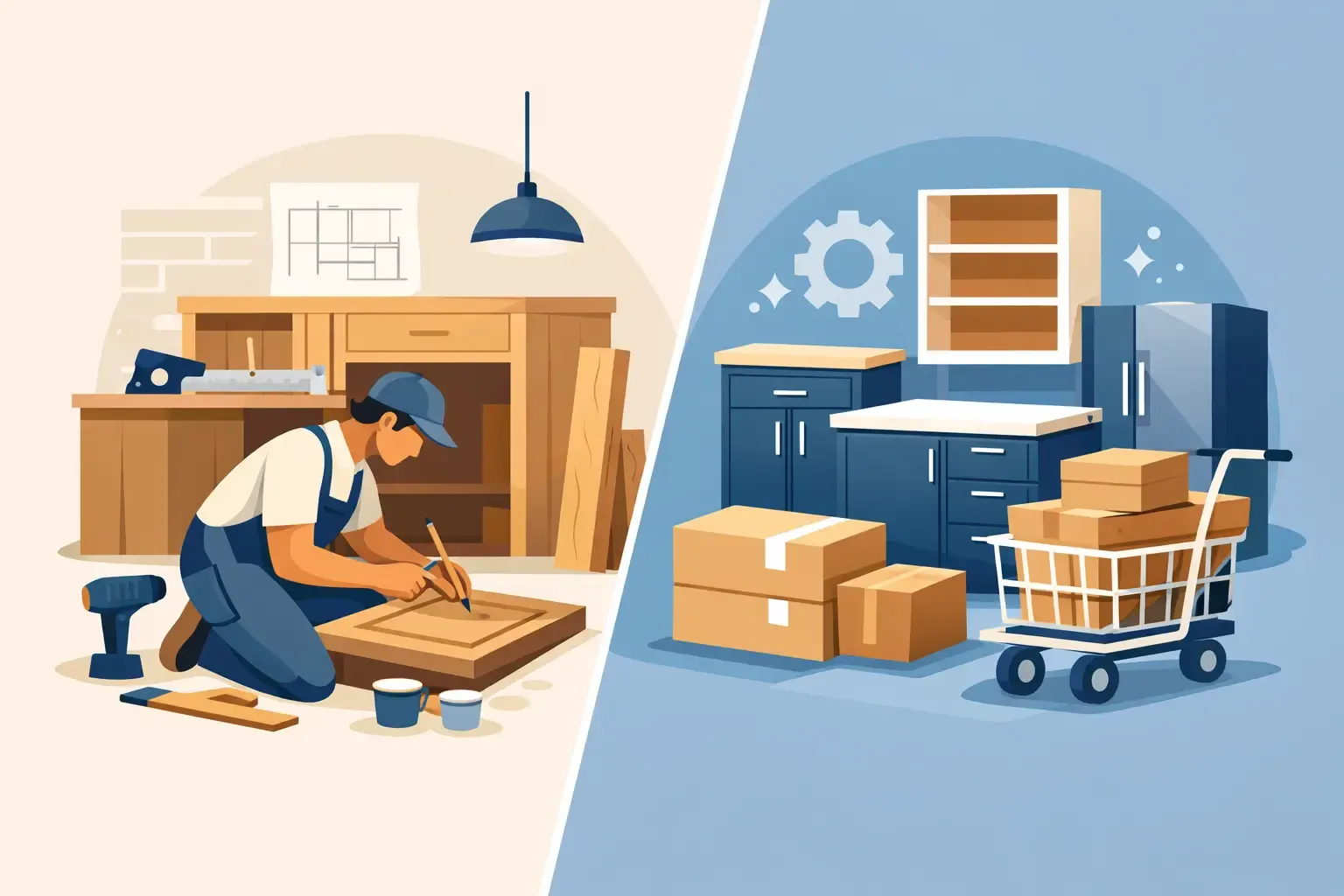
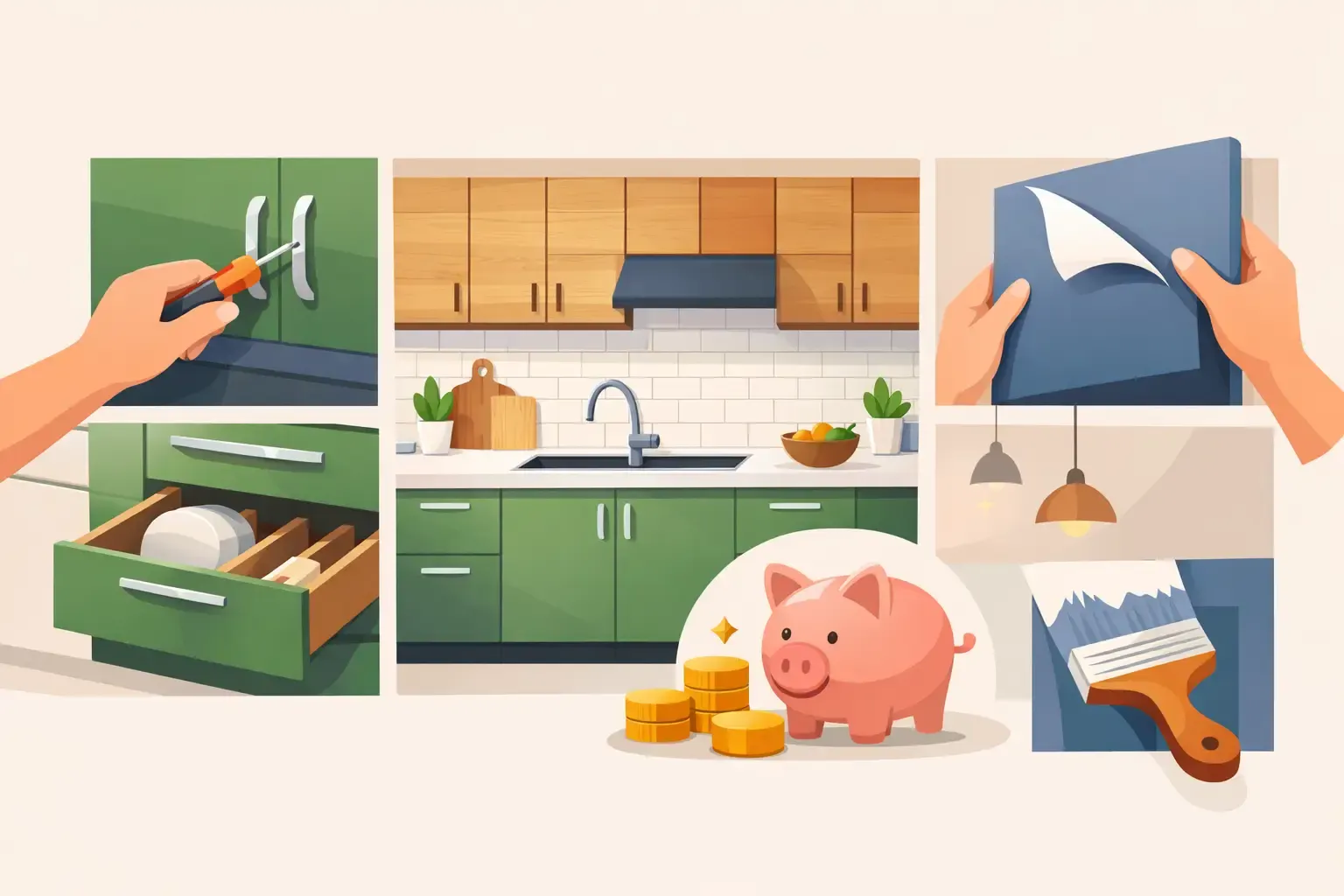
Homeowners often ask whether the best two tone kitchen cabinets require a fully custom budget. Not always. The look itself can be achieved at different investment levels. What matters is making smart choices about where to spend and where to simplify.
For some kitchens, stock or RTA cabinetry with the right design plan can create a beautiful two-tone result. For others, custom cabinetry makes more sense, especially when the layout is complex or the goal is a more furniture-like built-in appearance. A custom island in one finish paired with painted perimeter cabinets can be a strong middle ground.
What should not be overlooked is durability. Two-tone kitchens depend on finish consistency and clean installation. If doors are misaligned, fillers are sloppy, or the paint finish chips early, the contrast you paid for starts highlighting the flaws instead of the design.
That is why craftsmanship matters as much as color selection. The finished kitchen should feel calm, balanced, and built for real life.
Making two-tone cabinets feel cohesive
The cabinet colors do not have to match, but the room still needs a unifying thread. Hardware often helps with that. So does repeating a wood tone in bar stools, shelving, or trim. Countertop selection is another major piece. A busy pattern can compete with two cabinet colors, while a quieter surface often lets the cabinetry lead.
Lighting matters too. Warm under-cabinet lighting can soften darker lowers and make painted finishes feel richer. Natural light changes everything over the course of the day, so samples should always be tested in the actual kitchen before final decisions are made.
This is where experienced guidance can save homeowners from expensive second-guessing. The right two-tone design should not feel risky. It should feel settled the moment you see it together.
At Tom Bell Cabinetry & Custom, that planning-first approach is a big part of why homeowners feel more confident moving forward. When cabinet design, materials, budget, and installation are considered together from the start, the finished kitchen feels intentional instead of pieced together.
Should you go bold or stay classic?
It depends on how long you plan to stay in the home, how much natural light you have, and how comfortable you are living with contrast every day. Bold can be beautiful, especially on an island or lower cabinets. Classic usually has broader appeal and a longer design life.
For many homeowners, the sweet spot is a classic foundation with one distinctive element. Think warm white perimeter cabinets with a deep green island, or soft greige lowers with white uppers and natural wood accents. That gives the kitchen personality without locking it into a short-lived trend.
The best two tone kitchen cabinets are not the ones getting the most attention online. They are the ones that make your kitchen feel brighter, better organized, and more like home every time you walk into it.
If you are considering a kitchen update, start by looking at your space honestly. Notice the light, the traffic flow, the finishes you already have, and how you want the room to feel at the end of a long day. The right cabinet combination should support all of that, not just the photo you saved last month.
Built in Nashville, Not Shipped in a Box
Tom Bell Cabinetry builds custom cabinets in Nashville, TN in our own Madison shop, using solid hardwood, plywood boxes, and a crew that measures, builds, and installs the same job. We also handle architectural millwork and custom built-ins across Middle Tennessee.
Call (615) 469-2781 for a free estimate.