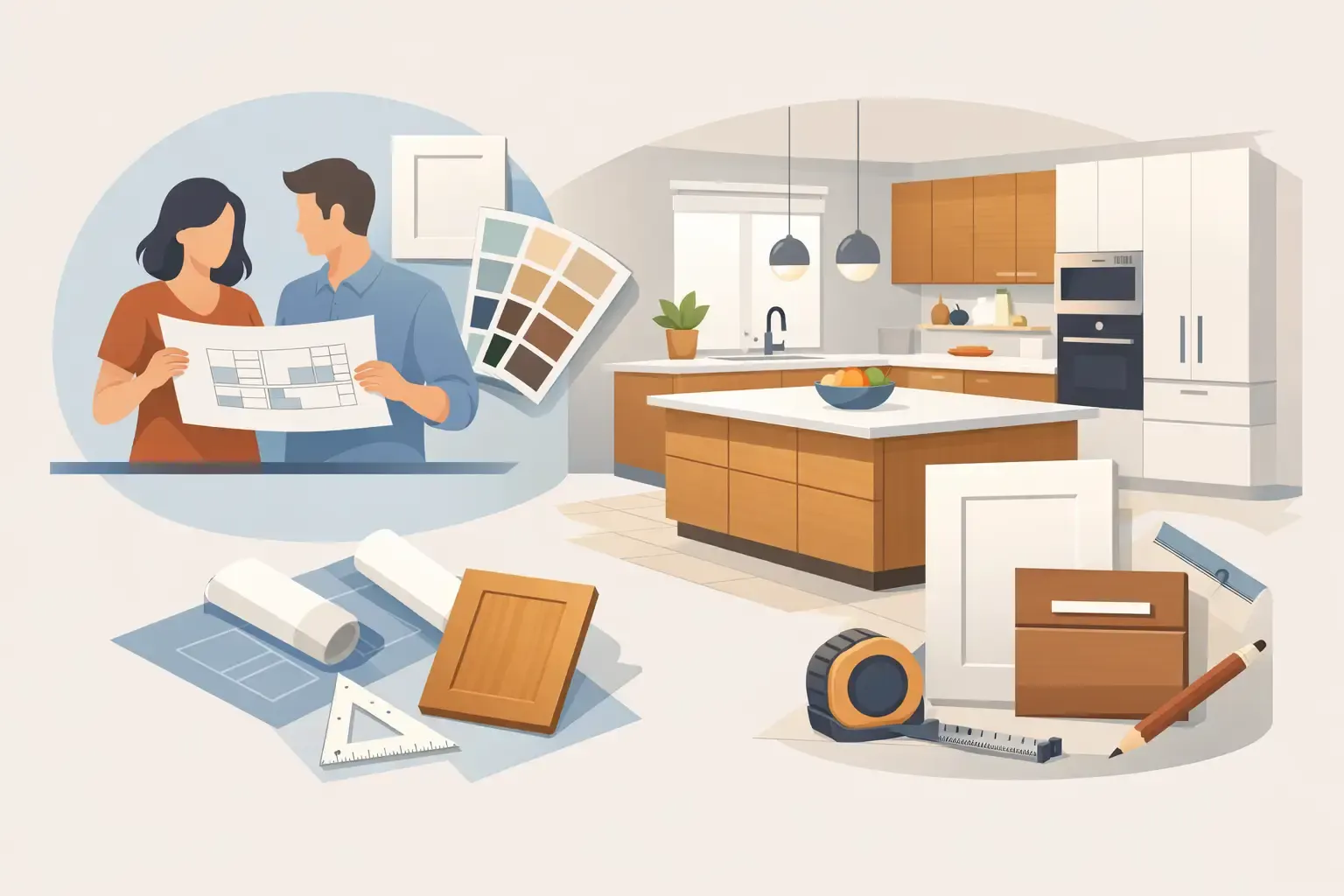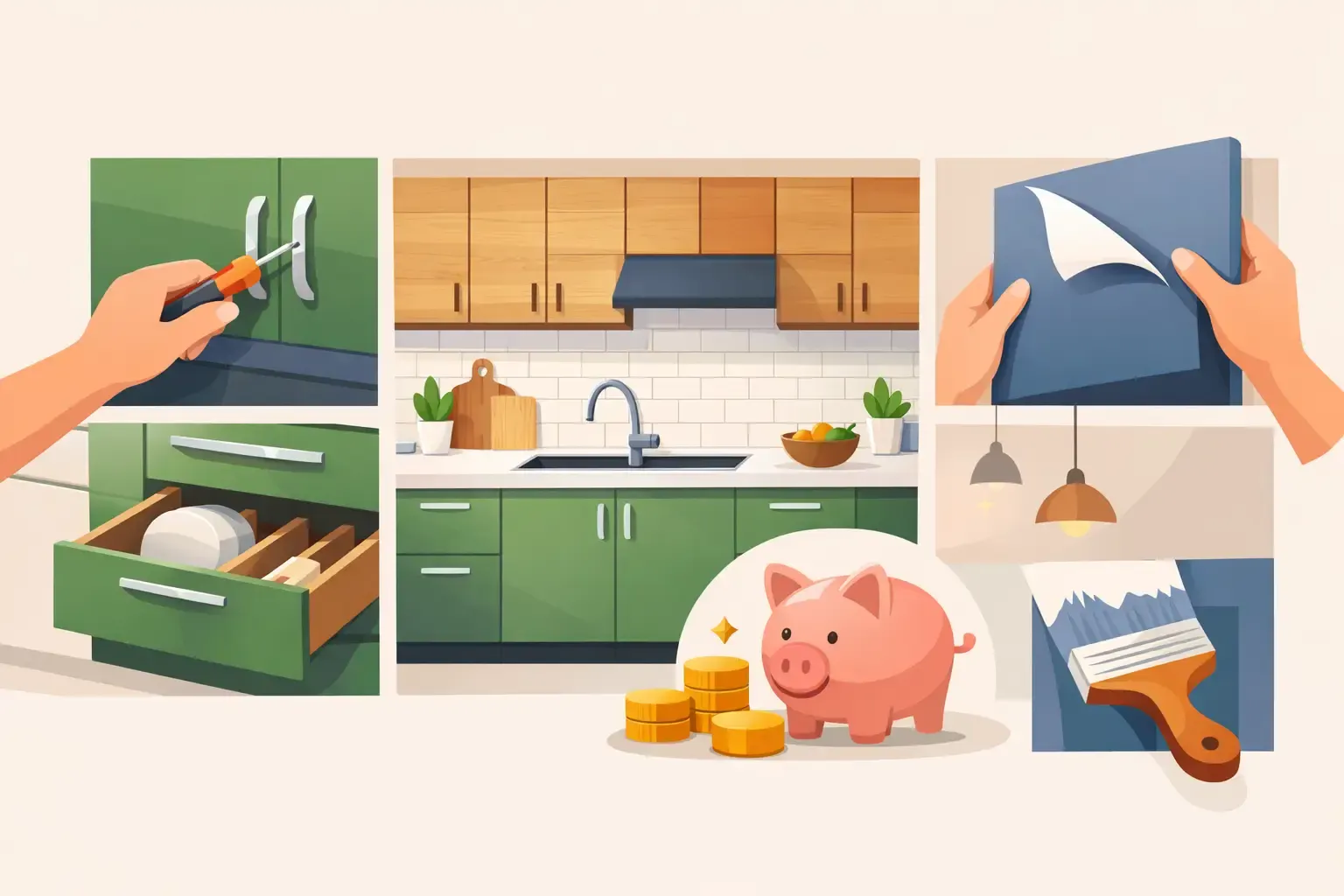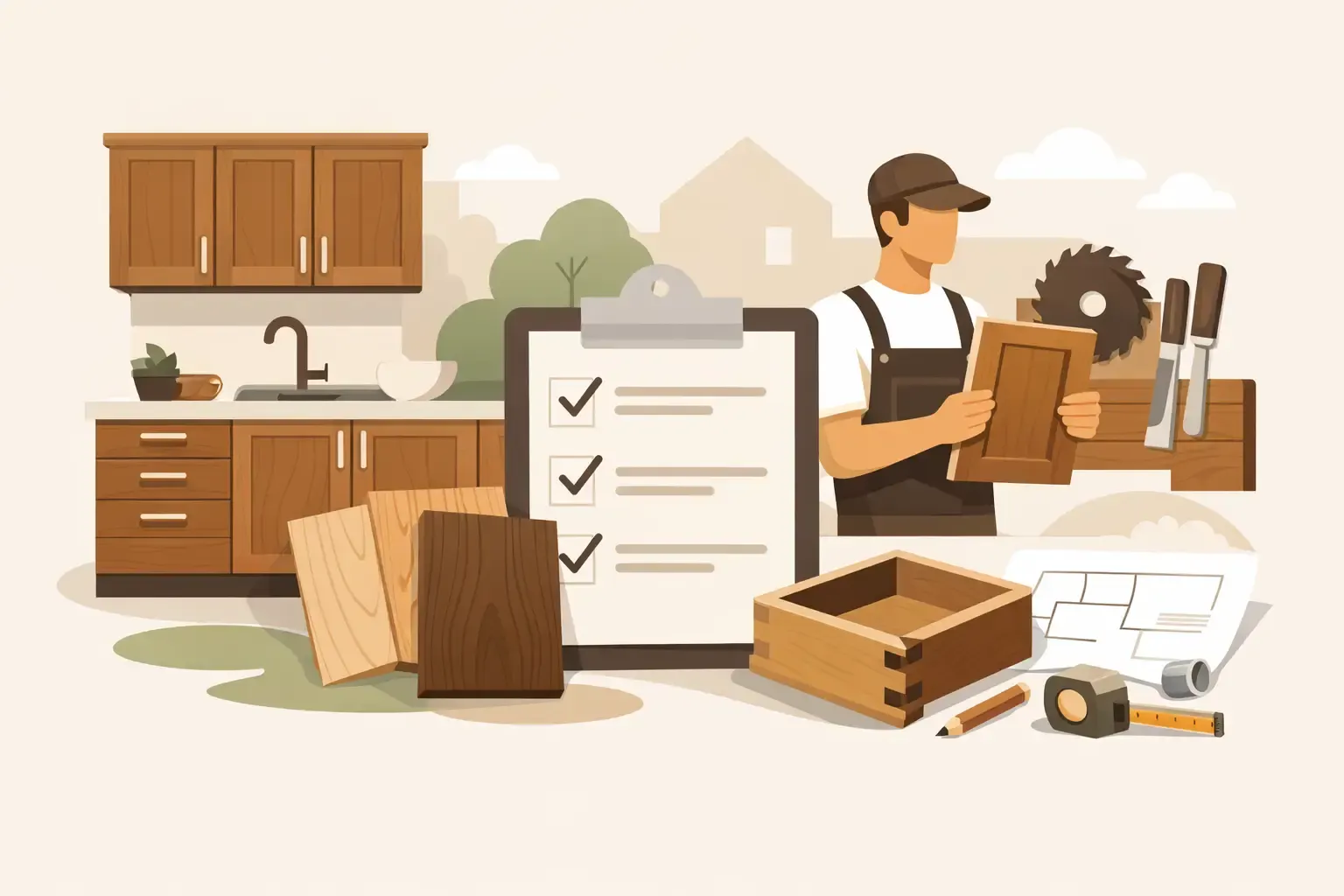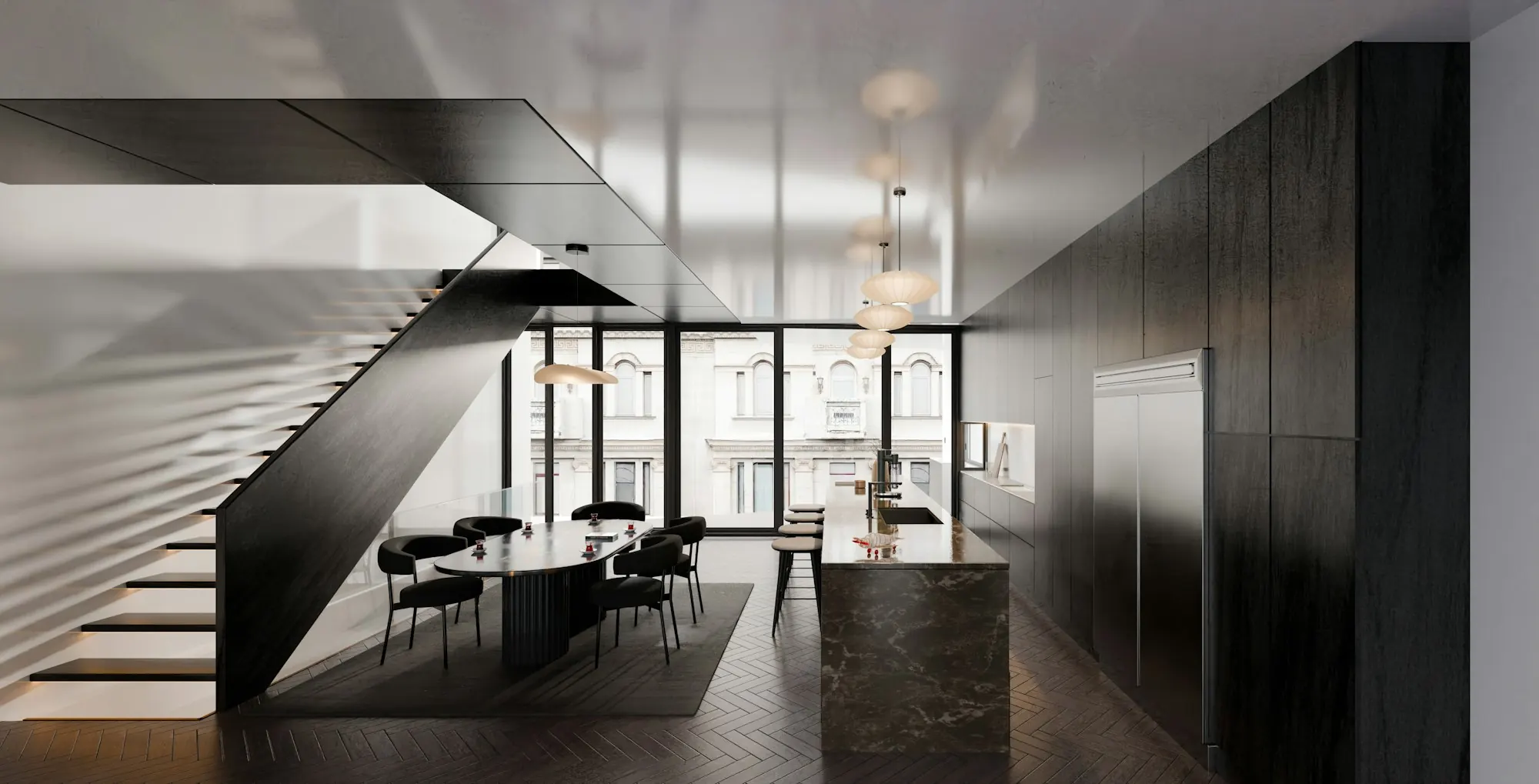
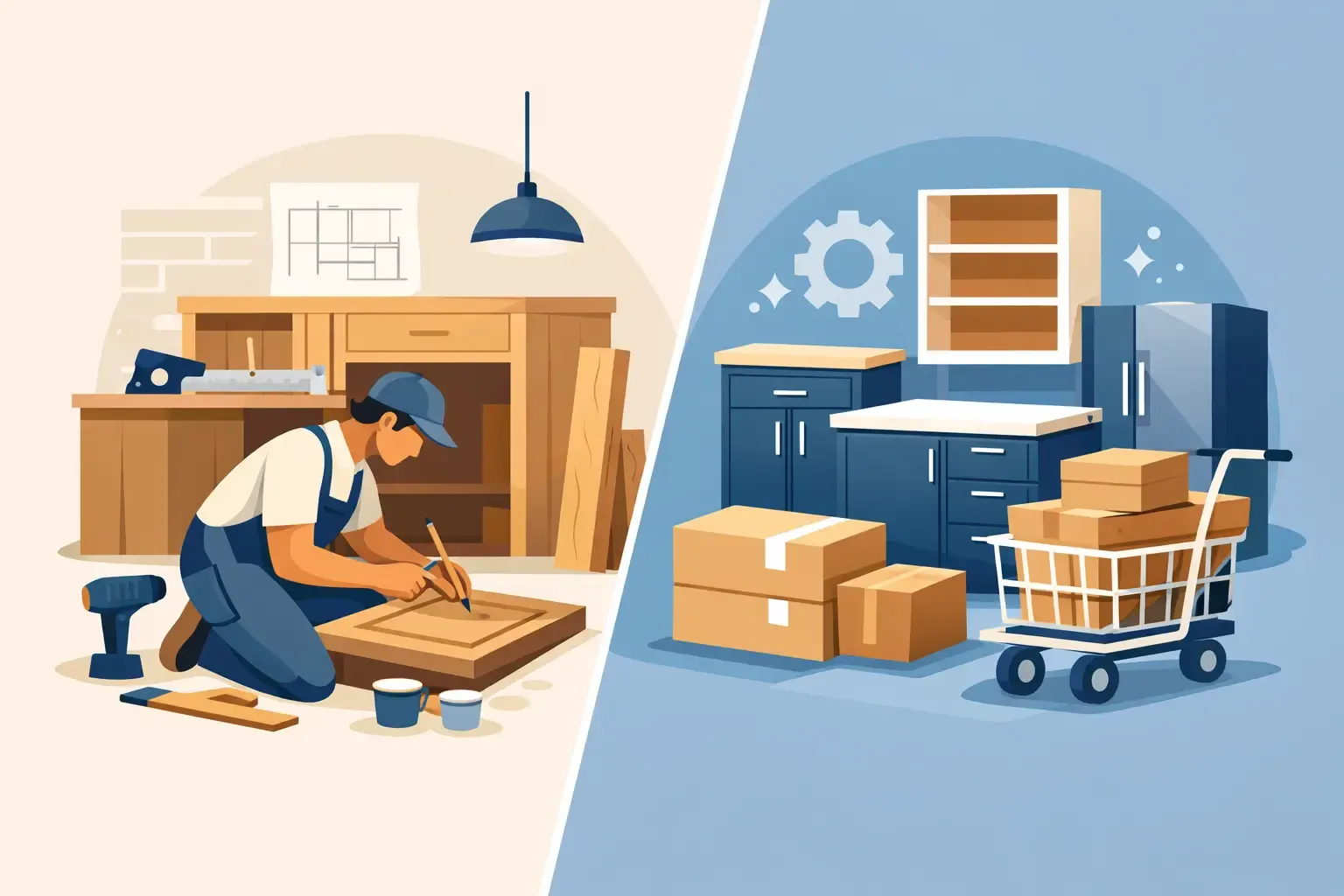
A kitchen remodel usually gets personal the moment you start pricing cabinets. One option promises tailored design and a built-in look. The other offers speed, lower upfront cost, and a simpler path to a finished kitchen. When homeowners compare custom cabinets vs stock cabinets, they are rarely just choosing boxes and doors. They are deciding how they want their home to function, how long they want the project to take, and where their budget will make the biggest impact.
That decision matters even more in homes around Nashville, Brentwood, Franklin, and Belle Meade, where kitchens often need to balance character, daily family use, and long-term value. Some homes call for fully custom craftsmanship. Others are better served by a well-planned stock cabinet layout that keeps the project moving and the investment in line. The right answer is not always the most expensive one. It is the one that fits your space, your priorities, and your expectations.
Custom cabinets vs stock cabinets: what is the real difference?
Stock cabinets are pre-manufactured in standard sizes, standard styles, and standard finish options. They are built for efficiency. That makes them a strong fit for homeowners who want a faster turnaround, a more predictable starting price, and a straightforward selection process.
Custom cabinets are built specifically for your room. Width, height, depth, storage configuration, wood species, finish, trim details, and overall design can all be tailored. That flexibility allows you to solve awkward layout issues, maximize storage, and create a finished space that looks intentional from every angle.
The real difference is not just customization. It is how much freedom you need. If your kitchen has unusual dimensions, ceiling height challenges, or design goals that standard sizes cannot handle well, custom tends to make that easier. If your kitchen layout is fairly conventional and your main goal is a clean, attractive upgrade without stretching the budget, stock may be the smarter choice.
Cost is important, but it is not the whole story
Most homeowners start here, and that makes sense. Stock cabinets usually cost less upfront because they are produced at scale. Materials, finishes, and sizes are standardized, which keeps manufacturing efficient and pricing more accessible.
Custom cabinets cost more because they require more labor, more design coordination, and more skilled fabrication. You are paying for fit, flexibility, and craftsmanship as much as the materials themselves. In many cases, that investment shows up in better use of space, stronger construction, and details that make the kitchen feel truly integrated with the home.
Still, lower cost does not automatically mean better value. A stock cabinet plan can become less attractive if fillers, awkward gaps, or compromised storage leave the room feeling generic or underused. On the other hand, custom only makes financial sense if the added precision and personalization solve a real need for your household.
A practical way to think about it is this: stock helps protect the budget, while custom helps protect the vision. Many successful remodels are built around deciding which one matters more for your specific project.
Fit and function often decide the winner
This is where homeowners feel the difference every day.
Stock cabinets are designed around common measurements. In a newer home with a simple layout, they may fit well enough to look polished and perform exactly as needed. But in older homes, tight kitchens, or rooms with unusual walls and ceiling lines, standard sizes can create wasted space. You may end up with larger fillers, less efficient storage, or design workarounds that never quite look intentional.
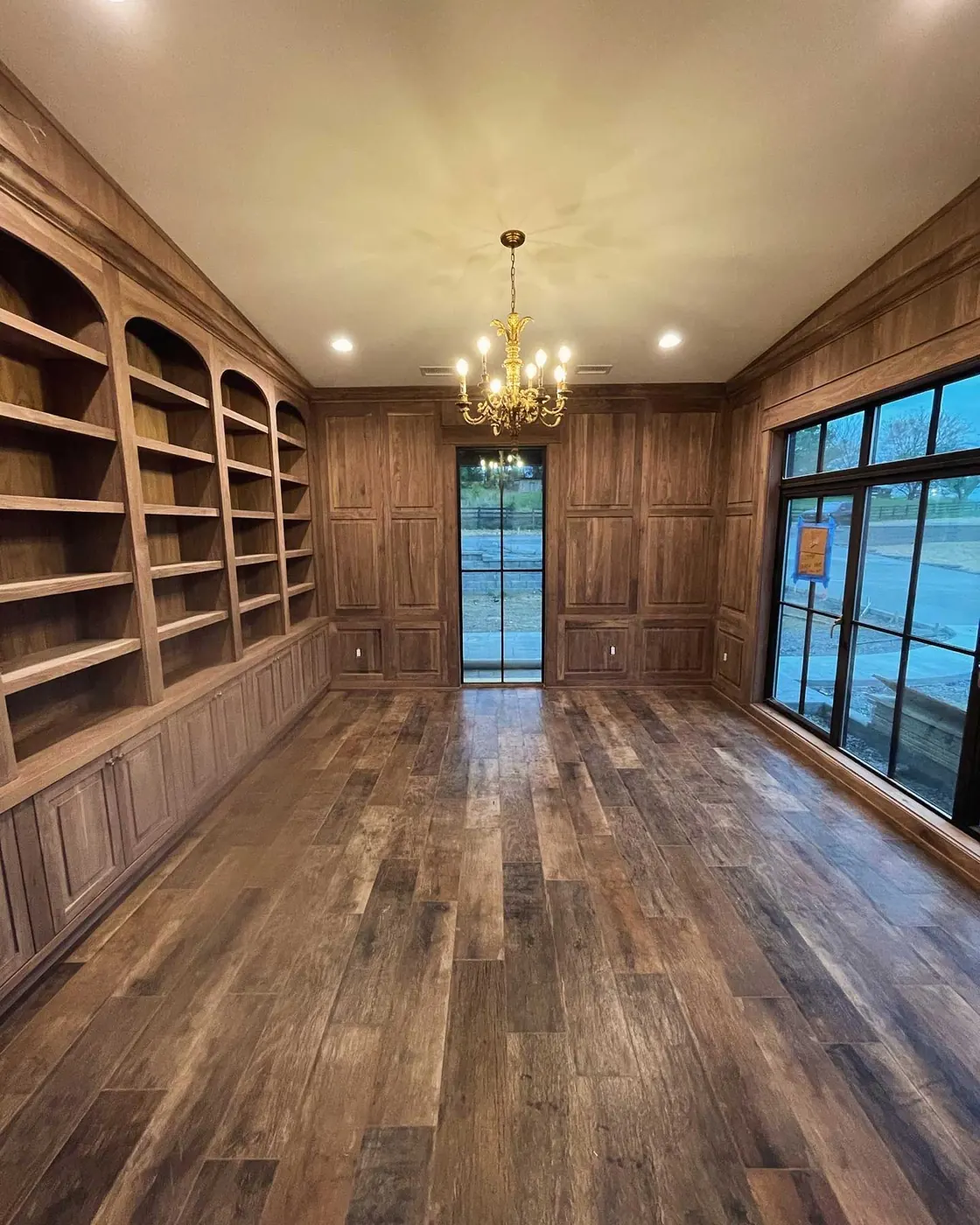
Custom cabinetry is built to the room, not the other way around. That means you can take cabinetry to the ceiling, wrap cleanly around windows, work around architectural details, and use narrow or wide spaces more intelligently. It also means your storage can reflect real life. Deep drawers for pots, tray storage near the range, concealed pull-outs, built-in spice storage, and custom pantry solutions all make daily routines easier.
For busy households, function is not a luxury feature. It is what keeps the kitchen feeling calm instead of crowded. If you cook often, entertain regularly, or need every inch to work harder, custom can pay off in ways that go far beyond appearance.
Style and finish options matter more than many people expect
If you already know exactly what you want your kitchen to look like, this category becomes very important.
Stock cabinets usually offer a limited range of door styles, paint colors, stains, and accessory options. Many look attractive, and some are an excellent fit for transitional or classic kitchens. But if you want a specific shade, inset construction, custom millwork details, or cabinetry designed to complement the age and architecture of your home, stock selections can feel restrictive.
Custom cabinetry opens that up. You can create a furniture-style island, match surrounding trim work, choose wood species intentionally, or build cabinetry that feels understated and timeless rather than mass-produced. In homes where the kitchen connects visually to living spaces, that extra design control can make the whole first floor feel more cohesive.
This is especially relevant for homeowners who want a kitchen that feels elevated without looking trendy. Custom gives you more control over proportion, finish, and detail, which often leads to a result that ages better.
Timeline is a real trade-off
If speed is your top priority, stock cabinets usually have the advantage.
Because they are pre-manufactured, stock lines can often move more quickly from selection to installation. That can be a major benefit if you are trying to limit disruption, prepare for a move, or complete a remodel on a tighter schedule.
Custom cabinets take longer. There is more planning upfront, more production time, and often more coordination around finish and installation details. But that extra time is not wasted when the project is managed properly. It is what allows the final result to fit better, function better, and feel more complete.
The key is being honest about your priorities. If you need a fast, budget-conscious kitchen refresh, stock may be the clear answer. If you are investing in a long-term remodel and want the kitchen to feel tailored to your home and lifestyle, a longer timeline may be worth it.
Construction quality depends on more than the label
Not all stock cabinets are poorly made, and not all custom cabinets are automatically superior. Quality depends on materials, construction methods, hardware, finish work, and installation.
That said, custom cabinetry often gives you more control over those choices. If you want 100% solid wood construction, specific joinery methods, premium drawer hardware, or detailed millwork, custom makes that possible. It also allows a cabinetmaker to build around durability concerns in a way that supports how your family actually uses the space.
Stock cabinets can still be a solid option when the product line is chosen carefully and installed with precision. Good planning matters here. Even a well-priced cabinet can perform beautifully when the layout is smart and the installation is exact.
This is one reason many homeowners appreciate working with a company that can offer both paths. At Tom Bell Cabinetry & Custom, that means helping clients choose between fully custom cabinetry and faster, budget-conscious stock solutions based on the home, not on a one-size-fits-all sales pitch.
How to choose between custom cabinets vs stock cabinets
Start with the room itself. If your kitchen has unusual dimensions, dead space problems, or architectural details you want to highlight, custom is often the better fit. If the layout is standard and the existing footprint works well, stock may provide everything you need.
Next, look at your priorities in plain terms. If your biggest goals are speed, cost control, and a clean visual update, stock cabinets may check the right boxes. If your priorities are maximizing storage, achieving a specific look, and creating a more permanent, built-in feel, custom usually delivers more.
Then consider how long you plan to stay in the home. If this is your long-term kitchen, investing in better fit and function often makes sense. If you need a smart update that improves the space without overextending the budget, stock can be a very practical move.
Finally, think beyond the cabinet catalog. The best remodeling decisions come from good planning, clear pricing, and honest guidance about trade-offs. Homeowners feel less stress when they understand where the money is going, what the timeline looks like, and what kind of result they can realistically expect.
A beautiful kitchen is not about choosing the most expensive option on principle. It is about choosing the cabinetry solution that respects your home, your budget, and the way your family lives. When that choice is made carefully, the finished space feels right every time you walk into it.
Built in Nashville, Not Shipped in a Box
Tom Bell Cabinetry builds custom cabinets in Nashville, TN in our own Madison shop, using solid hardwood, plywood boxes, and a crew that measures, builds, and installs the same job. We also handle architectural millwork and custom built-ins across Middle Tennessee.
Call (615) 469-2781 for a free estimate.