
A beautiful kitchen starts long before cabinets are installed. It starts with a clear agreement between you and the remodeling team in your home. Asking the right remodeling contract questions before you sign helps protect your budget, your schedule, and your peace of mind.
For homeowners in Nashville, Brentwood, Franklin, and Belle Meade, a remodel is often a meaningful investment in how the family lives every day. The contract should make that investment feel more certain, not more confusing. If a proposal is vague, rushed, or difficult to understand, it is reasonable to pause and ask for clarity.
Remodeling Contract Questions That Create Clarity
A strong remodeling contract does more than state a price. It explains what will happen in your home, who is responsible for each part of the work, and how decisions will be handled when real-life conditions call for a change.
1. What work is included, and what is excluded?
The scope of work should be specific enough that you can picture the finished room. For a kitchen renovation, that may include demolition, cabinetry, countertops, backsplash, flooring, lighting coordination, painting, trim, plumbing connections, and appliance installation.
Just as important are the exclusions. Does the price include moving electrical outlets? Repairing subfloor damage? Hauling away old cabinets? A clear list prevents the uncomfortable moment when a homeowner assumes something is included and discovers it is an added cost.
2. Are the cabinet, countertop, and finish selections identified?
A contract does not always need every decorative decision finalized, but it should identify the materials and allowance levels that shape the budget. Ask whether it specifies cabinet construction, wood species or finish, hardware, countertop material, sink, faucet, and millwork details.
This matters because cabinetry can serve very different needs. A fully custom, solid wood cabinet package and an RTA stock cabinet solution can both be attractive choices, but they carry different lead times, price points, and levels of customization. The agreement should reflect the option you chose, not a broad description that leaves room for surprises later.
3. How are allowances handled?
Allowances are budget placeholders for items not yet selected, such as tile, lighting, plumbing fixtures, or countertops. They are common in remodeling, but they should be realistic.
Ask how much has been allowed for each item and what happens if your selection costs more or less. A low allowance can make an initial proposal look appealing while shifting a meaningful amount of cost to later decisions. The goal is not to choose the highest allowance possible. It is to use figures that match the quality and style you genuinely want in your home.
4. What is the payment schedule tied to?
A payment schedule should be easy to understand and connected to meaningful project milestones. Deposits may be used to reserve time, order custom materials, or begin design and planning. Later payments should align with progress, such as delivery, installation, or completion of an agreed phase.
Be cautious if the agreement requires most of the project cost before materials arrive or substantial work is complete. Ask what each payment covers and whether the schedule changes if special-order materials have a longer lead time.
5. What is the expected timeline, and what can change it?
No experienced remodeler should promise that every project is immune to change. Cabinet production schedules, inspection timing, backordered fixtures, weather, and hidden conditions behind existing walls can all affect the calendar.
Still, your contract should provide an expected start window, estimated duration, and a clear explanation of likely variables. Ask when your kitchen may be unavailable, when you can expect installers in the home, and how schedule updates will be communicated. A realistic timeline is more valuable than an overly optimistic one.
6. Who obtains permits and coordinates inspections?
Permits are not required for every interior upgrade, but electrical, plumbing, structural, and layout changes often require them. Your agreement should state who is responsible for determining permit needs, obtaining permits, scheduling inspections, and addressing any inspection corrections.
This is especially relevant in established Middle Tennessee homes, where an older kitchen may reveal wiring, plumbing, or framing that does not meet current requirements. Handling those discoveries properly may affect the schedule, but it also protects the safety and long-term value of the home.
7. How are change orders approved?
A change order is a written adjustment to the original scope, price, or timeline. It may be prompted by a homeowner decision, such as adding under-cabinet lighting, or by a condition discovered after demolition, such as water damage behind a wall.
Ask whether change orders must be approved in writing before the additional work begins. They should be. A quick conversation on site can be useful, but it should be followed by documentation that states the cost and schedule impact. This simple practice is one of the best ways to avoid misunderstandings.
Questions About Your Home During Construction
The best remodeling experience respects more than the finished design. It respects the fact that your home remains your home throughout the project.
8. How will you protect the home and manage dust?
Kitchen and cabinetry work can involve demolition, cutting, deliveries, and frequent movement through the house. Ask how the team will protect flooring, contain dust, manage debris, and secure the work area at the end of each day.
The exact approach depends on the project. A cabinet replacement with limited layout changes may require less disruption than a full kitchen reconfiguration. Either way, a professional plan should address the practical details that make daily life easier for your family.
9. Who will be in my home, and who is my point of contact?
You should know whether the work will be completed by employees, specialty trade partners, or a combination of both. There is nothing inherently wrong with qualified subcontractors. What matters is that responsibilities are clear and that one person is accountable for communication, quality control, and scheduling.
Ask who you should contact with questions, how often you will receive updates, and what to do if a concern arises. Remodeling is far less stressful when you are not left guessing who has the answer.
10. Is insurance coverage in place?
Ask the contractor to explain their insurance coverage and whether required trade professionals are properly licensed for the work being performed. This is a straightforward conversation, and a reputable company should be prepared to address it clearly.
It is also wise to ask about responsibility for accidental damage and how a problem would be handled. The goal is not to expect trouble. It is to know that there is a responsible process if something unexpected happens.
Questions About Quality and Completion
A remodeling contract should give you confidence not only at the beginning, but also when the final cabinet door is adjusted and the last detail is complete.
11. What workmanship standards and warranties apply?
Ask what warranty applies to labor and what separate manufacturer warranties apply to cabinets, hardware, countertops, or appliances. Get the details in writing, including any conditions that affect coverage.
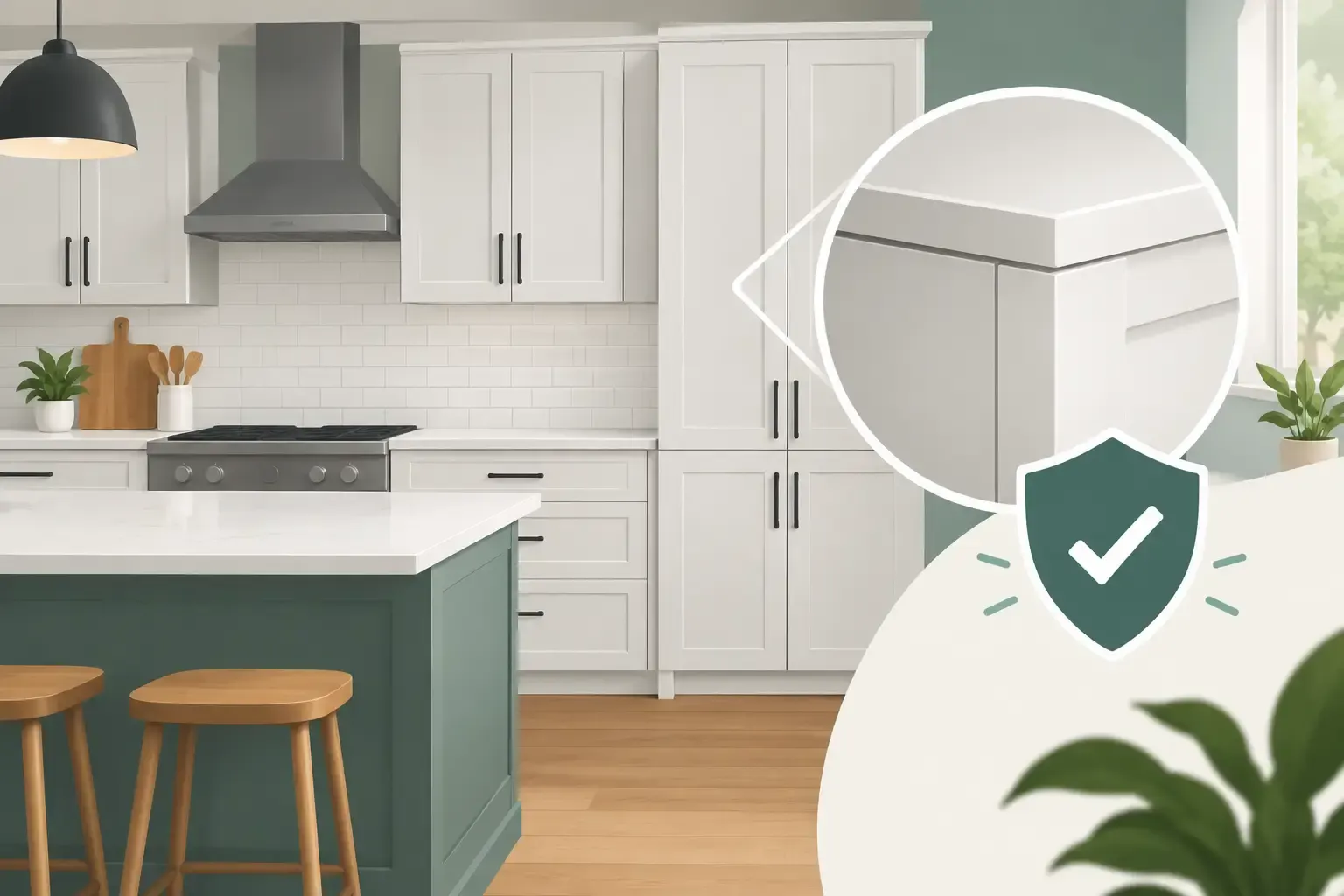
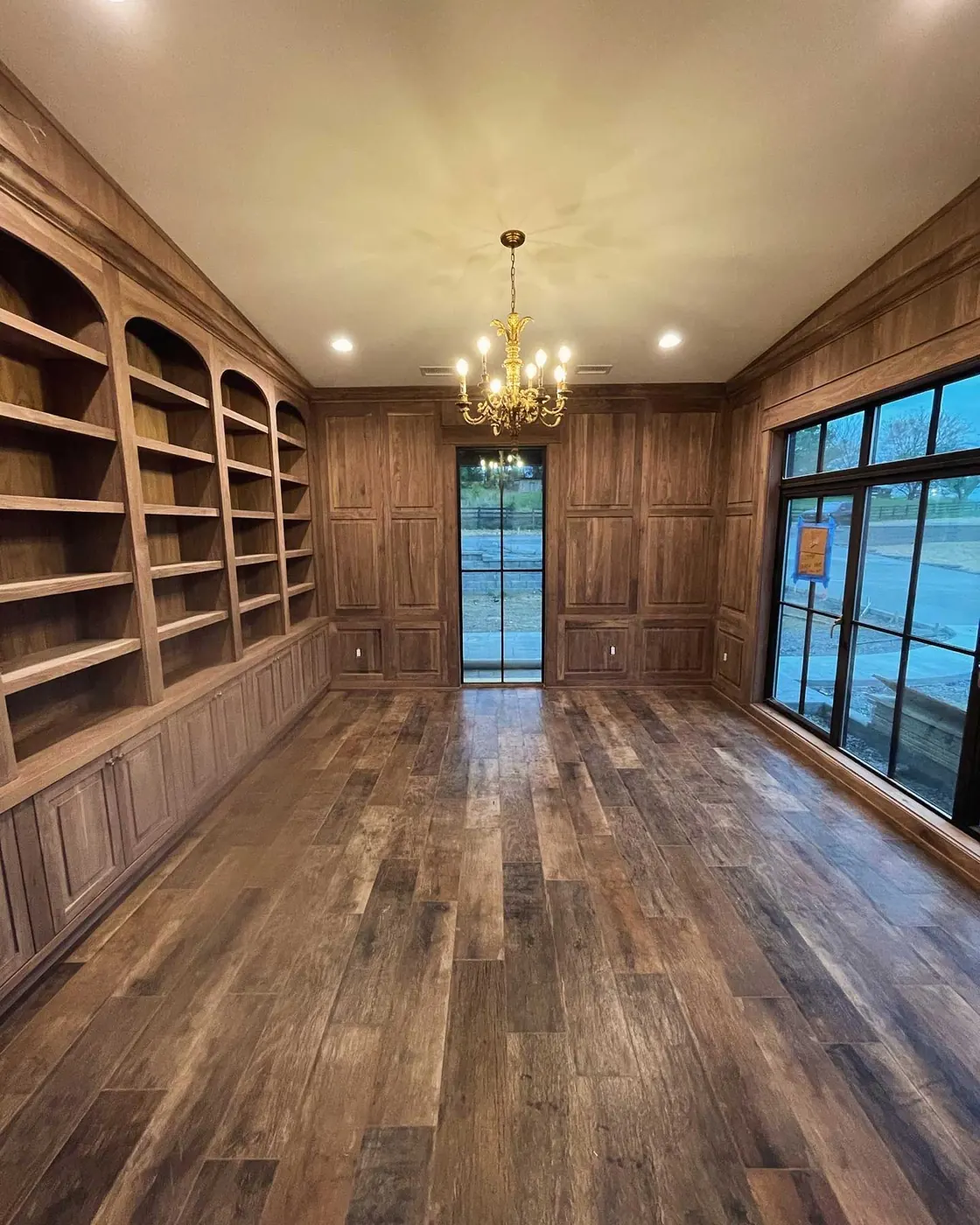
You can also ask how the company defines a completed installation. Quality cabinetry and millwork depend on details: consistent reveals, properly aligned doors and drawers, secure installation, clean trim transitions, and finishes that look intentional from every angle. A contract cannot capture every design judgment, but it should establish the standard of care you can expect.
12. What does the final walkthrough look like?
Before the last payment is due, there should be a clear opportunity to walk through the finished space, review the work, and identify remaining touch-ups. This is often called a punch list.
Ask how items will be documented and when they will be completed. A final walkthrough should not feel adversarial. It is the practical last step in delivering a kitchen or interior space that is ready for real life, from quiet weekday mornings to family dinners and weekends with friends.
Read the Contract Before You Fall in Love With the Renderings
Design inspiration is exciting, and it is easy to focus on the cabinet color, statement island, or handcrafted range hood. But clear planning is what allows those details to come together without unnecessary strain on your budget or household.
At Tom Bell Cabinetry & Custom, thoughtful planning is part of the craftsmanship. Whether your project calls for custom solid wood cabinetry, architectural millwork, or a more budget-conscious cabinet solution, the right agreement should make the path forward easy to understand.
A contract should never make you feel pressured to sign quickly. Take the time to read it, compare it to your conversations and selections, and ask for plain-language answers where anything feels unclear. The right remodeling partner will welcome those questions, because a home you love begins with a plan you can trust.