A kitchen can look current without chasing a look that feels dated two years later. The strongest custom cabinetry trends 2026 are less about a single color or door style and more about creating rooms that work harder, feel warmer, and reflect the way your family actually lives. For Nashville, Brentwood, and Franklin homeowners, that often means balancing timeless architecture with the storage, durability, and comfort a busy home requires.
Custom Cabinetry Trends 2026 Put Function First
The polished, picture-perfect kitchen is giving way to a more personal standard: a beautiful room that is easy to use on a Monday morning, welcoming when friends arrive on Friday night, and organized enough to make daily routines less stressful.
That shift matters because cabinetry is not a surface-level decision. Cabinets shape how a kitchen flows, how much visual calm it has, and whether you have a practical place for everything from serving platters to small appliances. A thoughtful custom plan can solve problems that an attractive cabinet door alone cannot.
For homeowners planning a remodel, the question is no longer simply, “What is in style?” A better question is, “What will still serve this home well in ten years?” The trends worth considering are the ones that answer both.
Warm Wood Is Back, With a More Refined Look
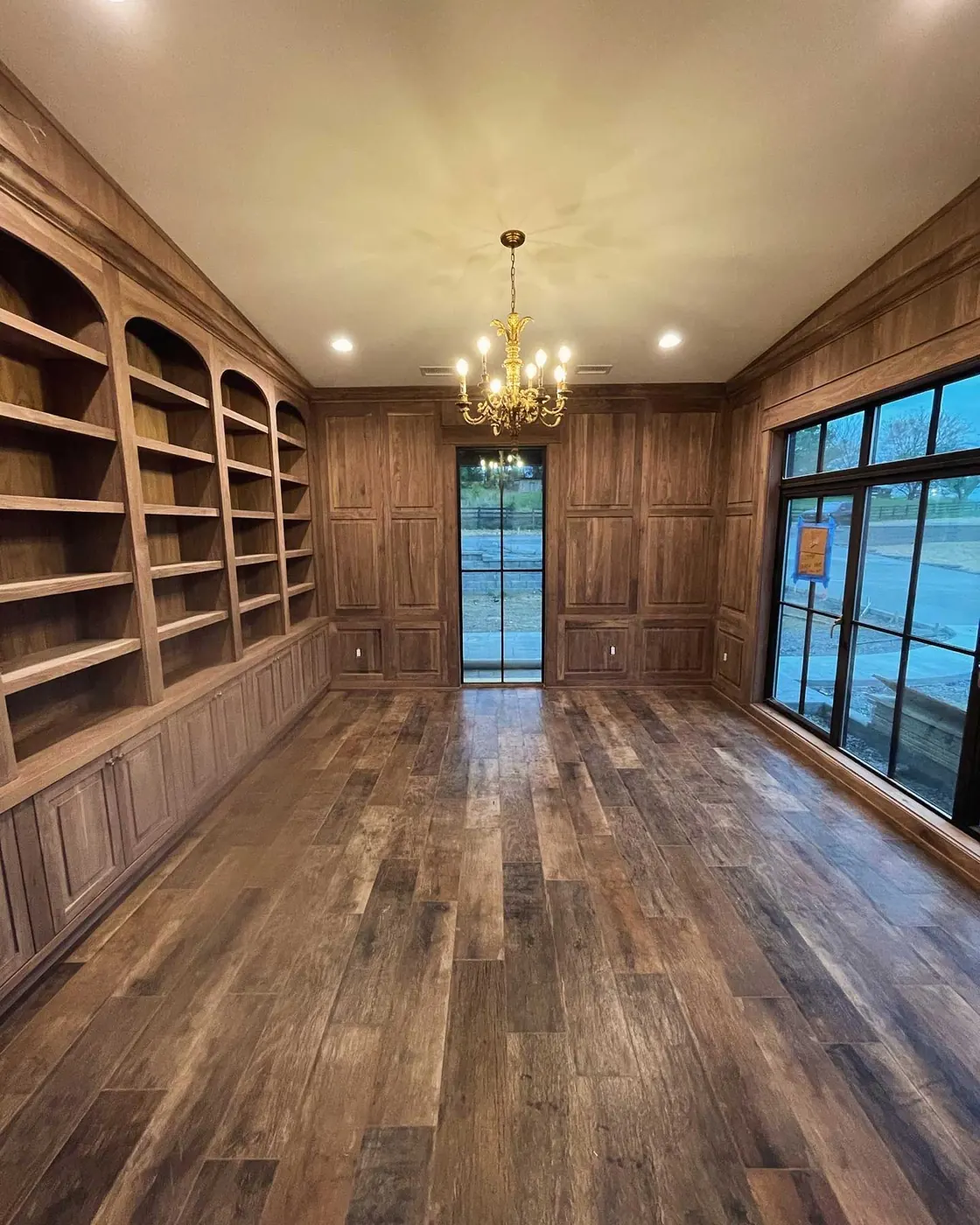
Natural wood cabinetry is one of the clearest design directions for 2026. Expect white oak, walnut, rift-cut oak, maple, and character-grade woods to appear in kitchens that previously might have been painted entirely white or gray.
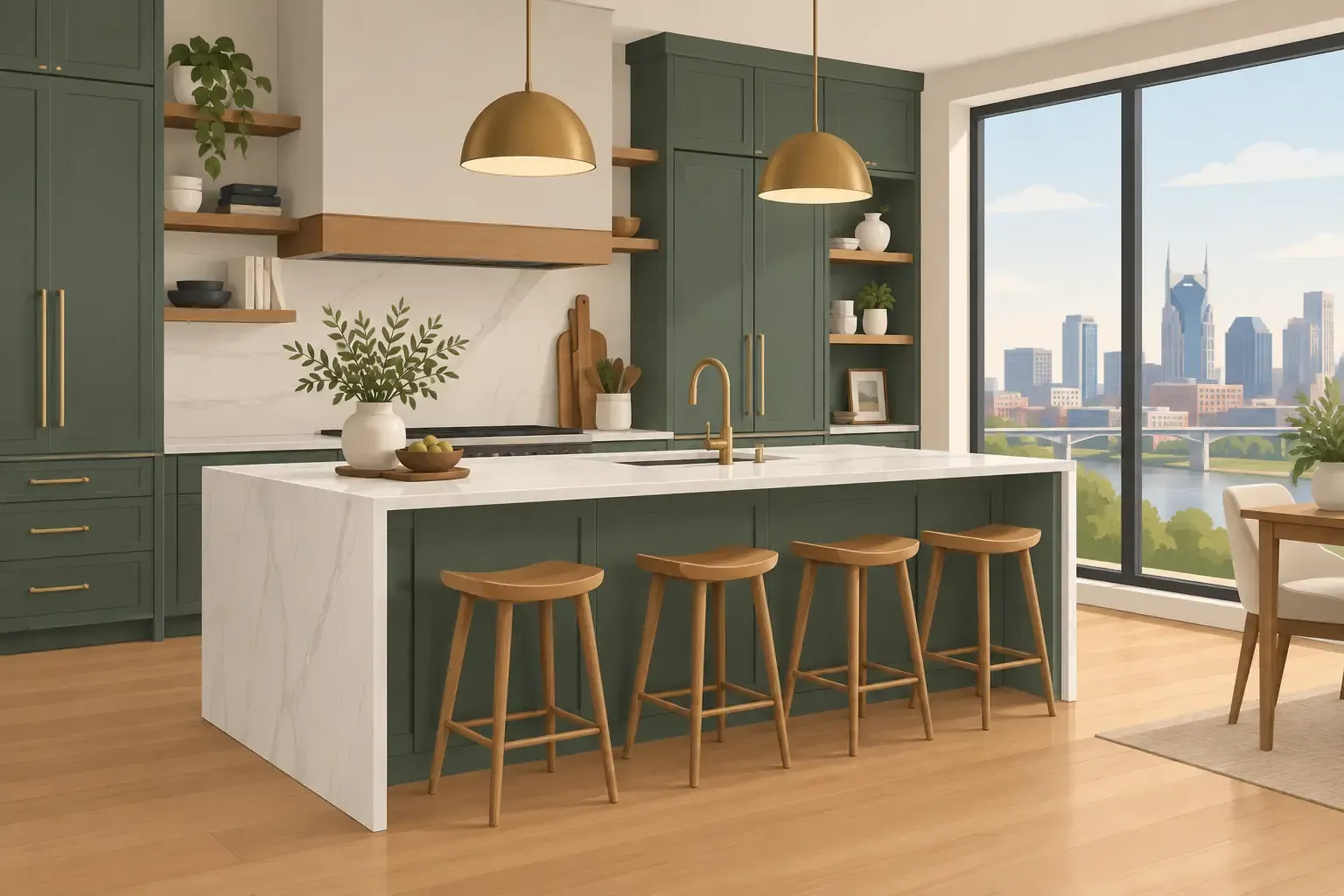
This is not a return to the heavy, orange-toned cabinetry of past decades. Today’s wood finishes tend to be soft, matte, and intentional. White oak with a natural finish can bring warmth to a clean-lined kitchen. Walnut can add depth to an island, beverage area, or built-in dining hutch. Painted perimeter cabinets paired with a wood island offer a balanced way to introduce the look without committing every cabinet to one material.
Wood also works especially well in Middle Tennessee homes where homeowners want a kitchen that feels connected to the character of the house. The right finish can complement traditional millwork in Belle Meade, a transitional Brentwood renovation, or a newer Franklin home that needs more personality.
The trade-off is that natural wood grain varies. That variation is part of what makes solid wood cabinetry distinctive, but it requires thoughtful material selection and finish samples. A clear design plan helps make sure the undertones work with flooring, countertops, and existing trim before installation begins.
Softer paint colors still have a place
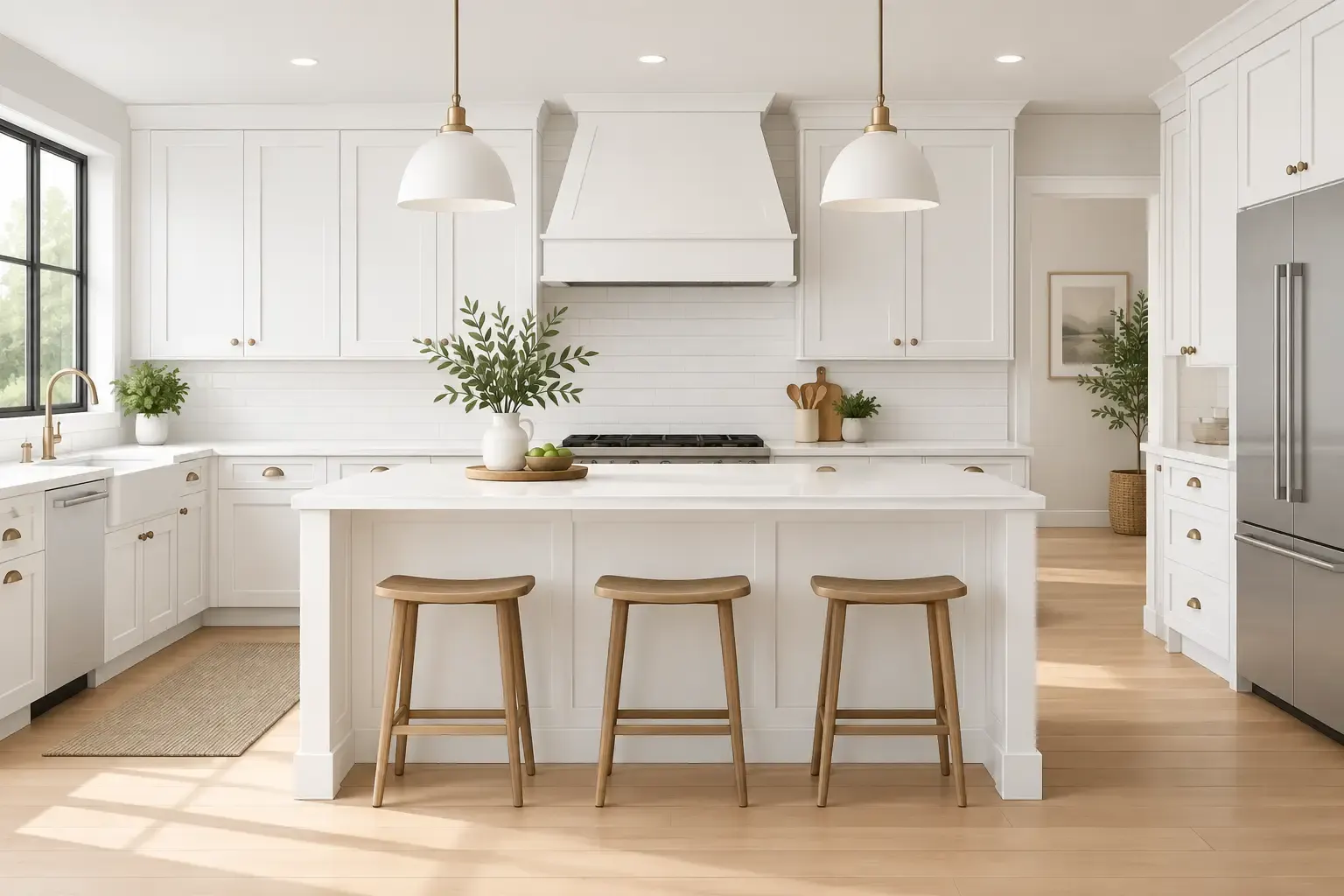
Painted cabinets are not going away. Instead, bright, stark white is sharing space with warmer neutrals such as mushroom, putty, taupe, soft cream, muted green, and smoky blue. These colors bring more dimension while remaining versatile enough for a long-term investment.
For a kitchen with limited natural light, creamy off-whites can keep the room open without feeling cold. In larger kitchens, a deeper color on the island or lower cabinets can create visual grounding. The best choice depends on the room, not a trend chart.
Furniture-Style Details Make Kitchens Feel Personal
The kitchen is becoming more integrated with the rest of the home, particularly in open-concept spaces. That is why cabinetry in 2026 is taking cues from furniture and architectural millwork rather than looking purely utilitarian.
Think of an island with furniture-style legs, a custom range hood that echoes the home’s trim profile, a built-in hutch for serving pieces, or a beverage station that feels like a natural extension of the dining area. Fluted panels, reeded glass, curved end panels, and inset-style doors can add detail without making a room feel overly ornate.
These features work best when they are used with restraint. One well-crafted focal point has more impact than applying every decorative detail in the same kitchen. A custom cabinetry team can help determine where detail will improve the room and where a simpler cabinet profile will keep the design calm.
Smarter Storage Is Becoming a Non-Negotiable
Beautiful cabinetry should not leave you digging through a crowded corner cabinet or storing appliances on the counter because there is nowhere else for them to go. The 2026 trend with the greatest everyday value is organized, purpose-built storage.
Deep drawers are replacing many lower cabinet doors because they make pots, pans, dishes, and pantry staples easier to see and reach. Pull-out trash and recycling centers remain a practical favorite, while vertical dividers give baking sheets, cutting boards, and platters a proper home. Pantry cabinetry is also becoming more flexible, with adjustable shelves, roll-out trays, and designated zones for snacks, breakfast supplies, or entertaining pieces.
Small appliances deserve attention, too. A concealed appliance garage, lift-up mixer shelf, or dedicated coffee station can reduce counter clutter while keeping the items you use most close at hand. These additions should be planned around your habits. A family that cooks every night needs a different setup than homeowners who entertain frequently or prefer a streamlined space with fewer items on display.
Concealed Convenience Creates a Calmer Kitchen
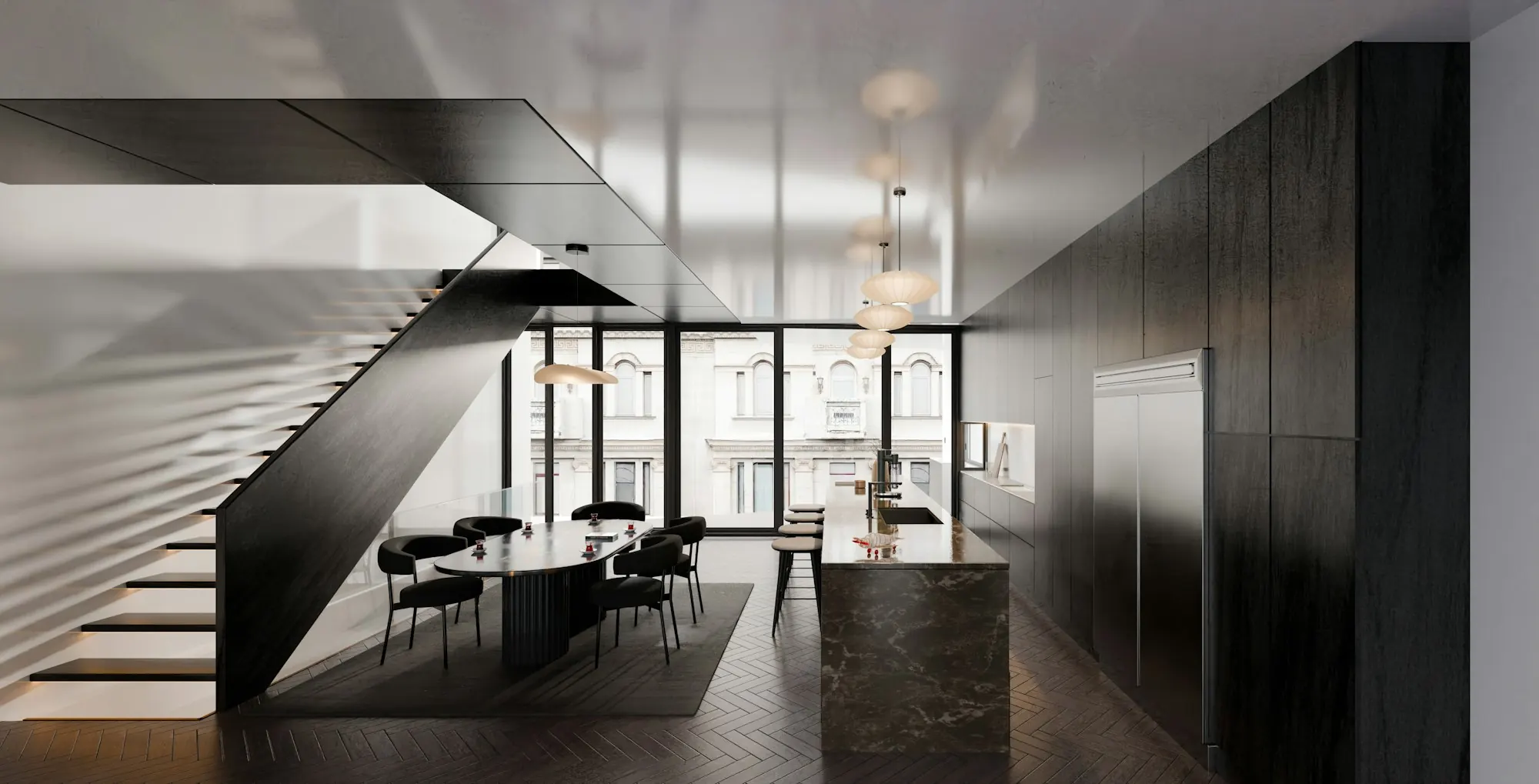
Another of the most practical custom cabinetry trends for 2026 is the move toward visual quiet. Homeowners are choosing ways to hide the necessary but less attractive parts of kitchen life: charging cords, countertop appliances, pet food, mail, and even secondary prep areas.
Walk-in pantries remain valuable where space allows, but smaller homes can achieve a similar benefit with tall pantry cabinets, pocket-door appliance centers, or a well-designed utility wall. Integrated panels for refrigerators and dishwashers also create a more furniture-like appearance, allowing cabinetry to carry through the room without interruption.
There is a budget consideration here. Fully integrated appliances and specialty hardware can increase costs, and they are not essential to every successful renovation. Often, a carefully designed cabinet layout and a few high-impact concealment features provide the polished result homeowners want while keeping the scope realistic.
Mixed Materials Add Depth Without Visual Clutter
Matching every cabinet, handle, and finish perfectly can make a kitchen feel flat. In 2026, the more tailored approach is mixing materials with a clear point of view. Wood may meet painted cabinetry. A warm brass faucet may sit alongside aged bronze hardware. A slab-front island may pair with a more detailed perimeter door.
The goal is not contrast for its own sake. It is coordination. Cabinet door styles, countertop movement, lighting, flooring, and hardware should support one another. When too many finishes compete, a kitchen can feel busy rather than custom.
Hardware is also becoming more substantial. Longer pulls, tactile knobs, and finishes with warmth add a finished feel to cabinetry. Matte black still has a role in the right home, but softer metals such as brushed brass, antique brass, bronze, and polished nickel are increasingly popular because they pair naturally with warm woods and creamier paint tones.
Custom Millwork Extends Beyond the Kitchen
Homeowners are investing in cabinetry throughout the house, not just around the range and sink. A custom mudroom can control the daily pileup of shoes, backpacks, and pet supplies. A living room built-in can frame a fireplace while providing concealed storage. A home office can offer files, display shelving, and a workspace designed around the way you work.
This whole-home approach creates a more cohesive result. Repeating a wood tone, paint color, or door profile in adjacent spaces helps a renovation feel intentional rather than pieced together over time.
It can also improve resale appeal, but the more immediate benefit is comfort. Well-designed millwork makes a home easier to live in, especially for families who need every square foot to earn its place.
How to Choose Trends That Will Last in Your Home
Not every 2026 idea belongs in every kitchen. Before choosing finishes or cabinet details, start with the problems you want the remodel to solve. Maybe your kitchen lacks prep space, your pantry is frustrating, or your current layout keeps guests crowded around one narrow area. Those needs should guide the design.
Next, consider the home’s architecture and your expected timeline in the house. A bold cabinet color may be exactly right for a homeowner who loves it and plans to stay for years. Someone preparing for a future sale may prefer a warmer neutral palette with a distinctive wood island or custom hood as the focal point.
Finally, be honest about budget priorities. Fully custom, solid wood cabinetry provides exceptional flexibility in size, construction, finish, and storage details. For some projects, stock or RTA cabinetry paired with carefully selected upgrades can be the smarter fit. The right answer is the one that delivers dependable function, quality installation, and a design you will be proud to come home to.
A well-planned remodel should feel exciting, not uncertain. At Tom Bell Cabinetry & Custom, the best designs begin with a clear conversation about your home, your goals, and what matters most to your family. Choose the details that make daily life easier, then let craftsmanship turn them into a kitchen you will enjoy sharing for years.