A cabinet door that sags after a year, peeling finish near the sink, drawers that stick when the kitchen gets busy – these are the worries behind the question, do RTA cabinets hold up? The honest answer is yes, quality RTA cabinets can hold up very well. But “RTA” describes how cabinets are shipped and assembled, not a single level of construction. The materials, joinery, hardware, finish, and installation determine whether they feel dependable for years or become an early regret.
For many Nashville-area homeowners, RTA cabinets are a practical way to create a beautiful kitchen without allocating the entire renovation budget to fully custom cabinetry. The key is knowing where a stock cabinet line is a smart value and where cutting corners will show up in daily use.
Do RTA Cabinets Hold Up in Real Kitchens?
Well-built RTA cabinets can serve a family kitchen for 15 to 20 years or more with normal care. Higher-quality lines, properly assembled and professionally installed, may last longer. Lower-grade options can begin showing wear much sooner, particularly around moisture-prone areas and high-use drawers.
The letters RTA stand for ready-to-assemble. Instead of arriving as completed cabinet boxes, these cabinets are packaged flat and assembled before installation. That approach lowers shipping and manufacturing costs, which is why RTA can be an appealing fit for a budget-conscious remodel.
The trade-off is simple: the cabinet has more opportunities for quality to be won or lost. A strong cabinet box assembled carefully with quality fasteners and glue performs very differently from a thin particleboard box held together with basic cam locks. Two kitchens can both be called RTA while having completely different lifespans.
What Separates Lasting RTA Cabinets From Disposable Ones
A good cabinet should earn its place in your home through construction, not just a pretty door style. Before choosing an RTA line, look beyond the showroom photo or online color swatch.
Cabinet box material matters most
Plywood cabinet boxes are generally the strongest choice for kitchens and baths. They resist sagging, handle the weight of dishes and pantry items well, and tend to tolerate the occasional humidity change better than lower-density materials.
Furniture-grade plywood is especially valuable in base cabinets, sink cabinets, and wide sections that carry substantial weight. Solid wood is often used for face frames and doors, while engineered materials may be used in painted door panels for a smooth, stable finish. That combination can be entirely appropriate.
The concern is thin particleboard in areas exposed to water or heavy daily use. Particleboard is not automatically a deal-breaker, but it can swell when water reaches an unfinished edge. A slow dishwasher leak, wet mop, or dripping sink supply line can turn a minor issue into permanent cabinet damage.
Drawer construction tells you a lot
Open a drawer and look at how it is built. A durable drawer box is usually made from solid wood or quality plywood, with dovetail joints or another secure form of joinery. The drawer should sit squarely in its opening, glide without scraping, and stay stable when fully extended.
For a busy family kitchen, full-extension soft-close slides are more than a luxury. They make it easier to reach the back of the drawer, reduce slamming, and help keep the cabinet frame from taking repeated abuse. Check the slide weight rating, especially for pot-and-pan drawers, pullout trash cabinets, and wide utensil drawers.
Doors and hinges handle the daily wear
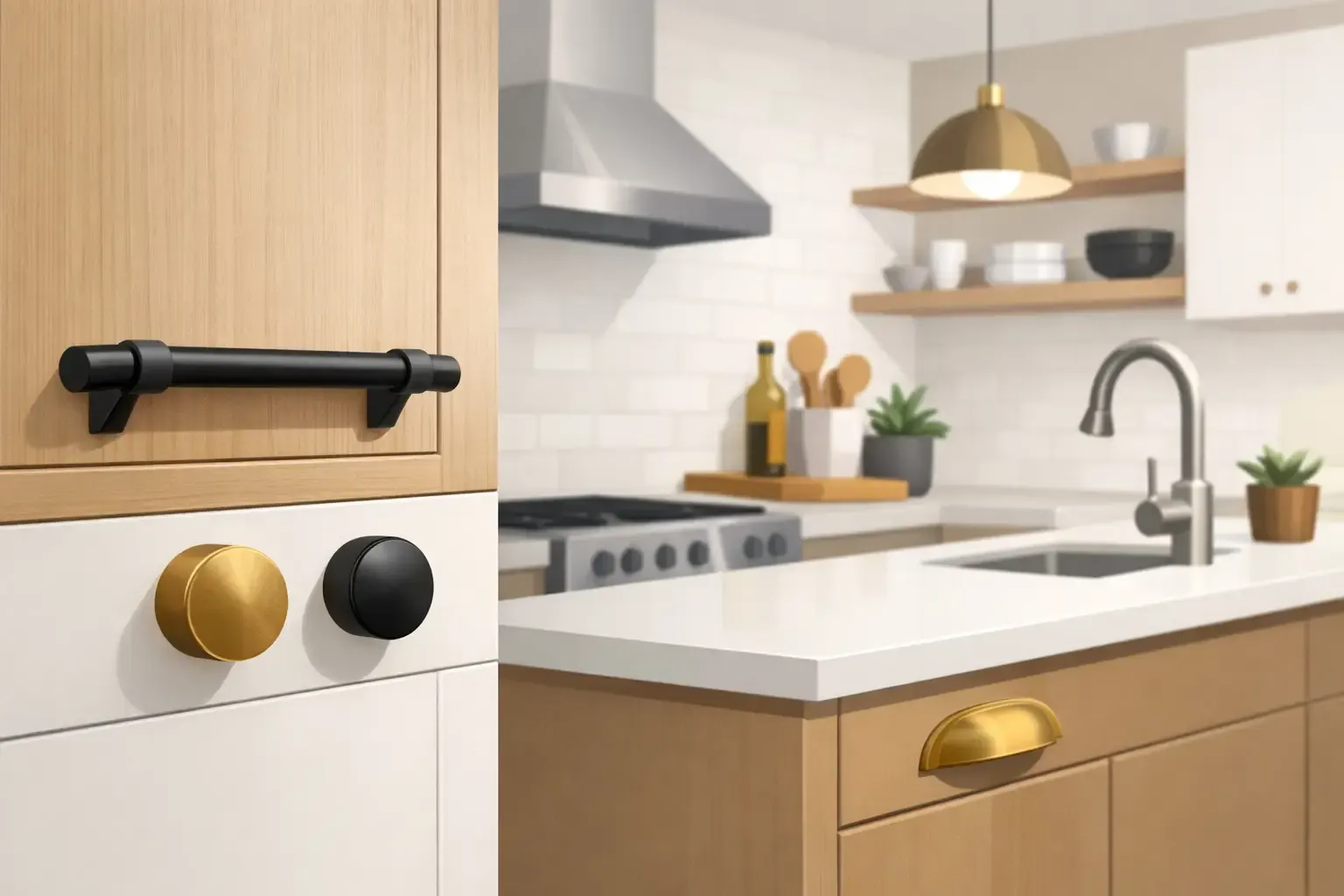
Cabinet doors are opened thousands of times over their life. Look for adjustable, soft-close hinges from a reputable hardware manufacturer. They should allow the installer to align door gaps precisely and give you a way to make minor adjustments as the home settles.
A durable finish is equally important. Painted doors need a finish designed to resist chips and routine cleaning, while stained wood should have even color and a protective topcoat. No painted cabinet is completely immune to impact, especially near a dishwasher or trash pullout. Still, a quality finish can be touched up more successfully and will age more gracefully than a thin, factory-applied coating.
Assembly and installation are part of the product
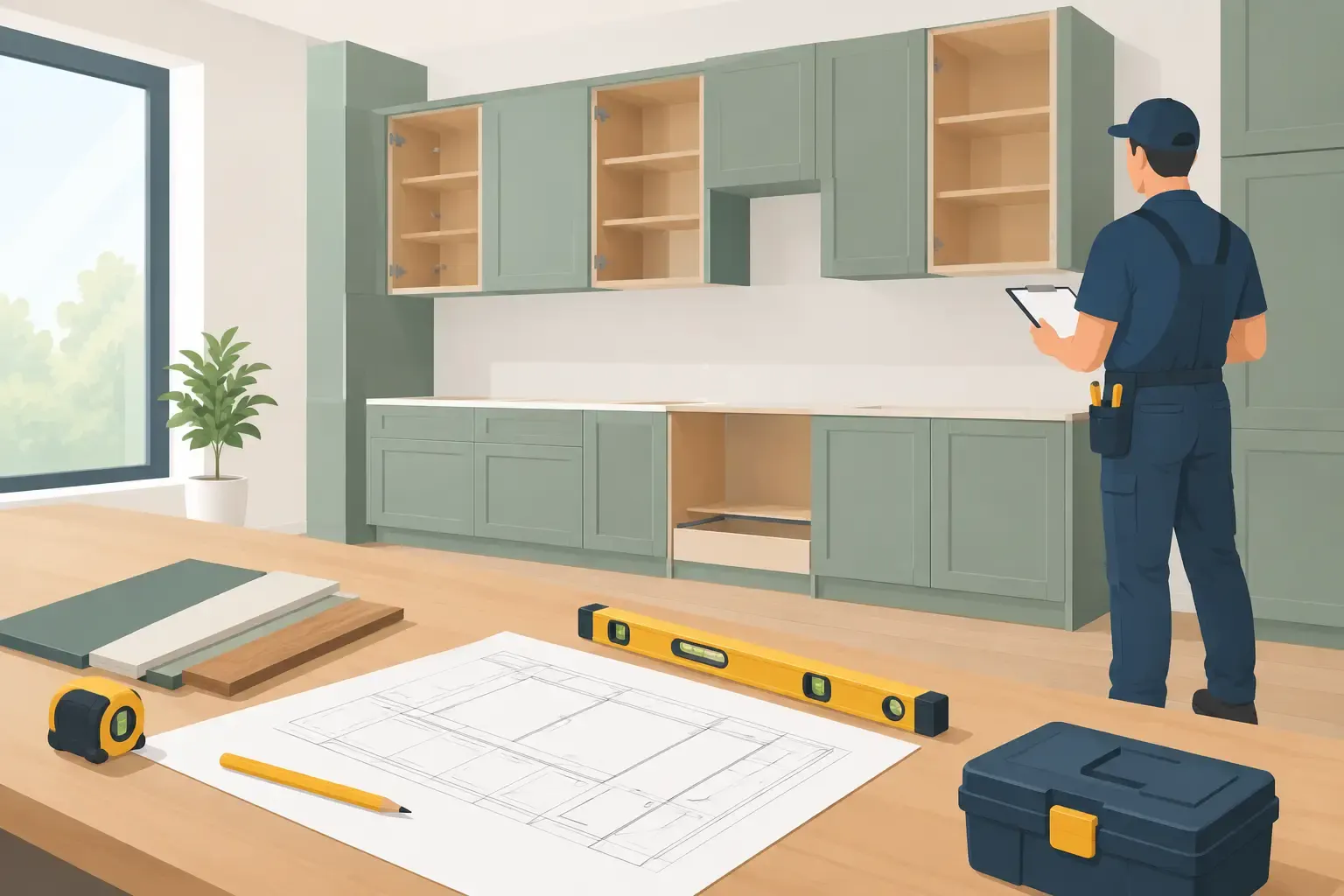
RTA cabinetry is not a place to rush. Panels need to be assembled square, joints need the correct adhesive and fasteners when specified, and cabinet boxes need to be leveled and secured into wall studs. If one base cabinet is out of level, the issue can travel across the entire run, affecting doors, drawers, countertops, and appliance openings.
This is where professional planning protects the value of a budget-friendly cabinet choice. An experienced installer will account for uneven floors, walls that are not perfectly straight, plumbing locations, appliance clearances, and trim details before the final cabinet is locked in place.
Where RTA Cabinets Perform Best
RTA cabinetry is often an excellent solution for a straightforward kitchen layout, a rental property upgrade, a laundry room, or a secondary bathroom. It can also work beautifully in a primary kitchen when the cabinet line is well made and the layout does not require extensive one-of-a-kind fabrication.
For example, standard-width base cabinets, wall cabinets, pantry units, and common door styles are where stock cabinetry delivers the most value. You can invest the savings in a better countertop, improved lighting, a larger island, or the storage features your family will use every day.
The fit becomes less natural when the room has unusual angles, very tall ceilings, historic details, or a layout where every inch must work hard. A home in Belle Meade, Brentwood, or Franklin may have architectural features that deserve a more tailored solution. Stock cabinets can be enhanced with fillers, panels, crown molding, and custom trim, but there is a point where fully custom cabinetry creates a cleaner result with fewer compromises.
The Trade-Offs to Consider Before You Buy
RTA cabinets are often less expensive, but price should not be the only comparison. Lead time, assembly, installation, modifications, and the availability of matching pieces all matter. A low initial cabinet price can lose its advantage if the layout requires many workarounds or if replacement parts are difficult to obtain later.
Color consistency is another consideration. If you expect to add cabinetry in the future, ask whether the manufacturer maintains the same door style and finish. Finishes can vary by production run, and discontinued lines can make a later addition more complicated.
You should also consider how you live. A retired couple who cooks lightly may be perfectly served by a well-chosen stock cabinet line. A household with children, frequent entertaining, serious home cooking, and heavy storage needs may benefit from upgraded drawer boxes, stronger shelves, and custom solutions in the most demanding zones.
How to Choose RTA Cabinets With Confidence
Start with a clear plan for the room rather than selecting cabinets one box at a time. Measurements should include appliance specifications, window and door trim, floor conditions, plumbing, electrical, and ventilation. Good design prevents costly surprises, such as a refrigerator that protrudes too far or a dishwasher that cannot be removed after a countertop is installed.
Then ask direct questions about the cabinet construction. What is the box made from? How thick are the shelves? Are the drawers dovetailed? What brand and rating are the slides and hinges? Is the cabinet finished on all exposed sides? What warranty covers the product, and who will handle a damaged component or missing part?
Finally, let the budget reflect the areas that work hardest. It may be wise to use RTA cabinets for most of the kitchen while investing more in a custom island, a built-in pantry, or tailored cabinetry around a range hood. This blended approach often gives homeowners the refined look they want while keeping the project grounded in a real budget.
A Better Question Than “Will They Last?”
Rather than asking whether all RTA cabinets hold up, ask whether a specific cabinet line is built for your household and installed for the long term. The right answer may be high-quality RTA, fully custom cabinetry, or a thoughtful combination of both.
At Tom Bell Cabinetry & Custom, the goal is not to push every homeowner toward the most expensive option. It is to help you choose cabinetry that fits the room, your lifestyle, and the way you want your home to feel when friends gather around the kitchen. A well-planned cabinet decision should give you more than a good first impression – it should make everyday life easier for years to come.