
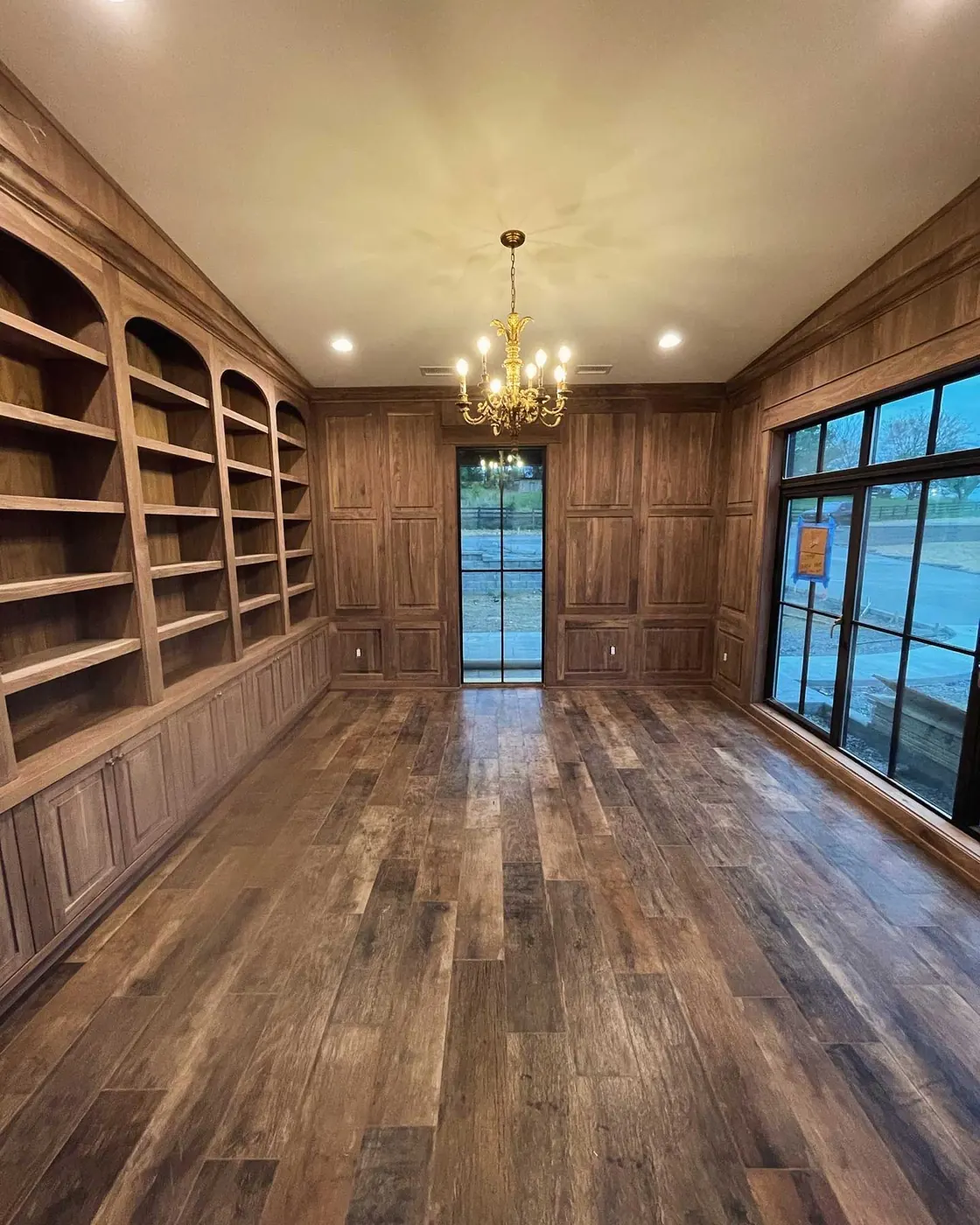

A beautiful cabinet door can catch your eye in a showroom. The details you live with every morning – a drawer that sticks, an uneven reveal, a gap against the wall, or an appliance that no longer fits – are usually decided during installation. That is why cabinet installer selection deserves just as much care as choosing the cabinet style, finish, and hardware.
For homeowners in Nashville, Brentwood, Franklin, and throughout Middle Tennessee, the right installer brings order to a process that can otherwise feel overwhelming. They help you understand what your room can support, what your budget includes, and what needs to happen before the first cabinet arrives. The result should not merely look finished. It should feel made for the way your household cooks, gathers, stores, and lives.
Why Installation Changes the Entire Remodel
Cabinets are not freestanding furniture. They must be leveled, secured, aligned, scribed to walls that are rarely perfectly straight, and coordinated with flooring, countertops, plumbing, electrical work, and appliances. A quality cabinet can perform poorly when it is installed carelessly. A well-planned installation, on the other hand, helps even a budget-conscious cabinet choice look intentional and polished.
This is especially true in established homes, where rooms often have uneven floors, settled walls, unexpected framing, or older utility locations. An experienced cabinet professional sees these conditions early. Instead of treating them as a surprise after demolition, they can account for them in the plan.
The installer also affects the daily function of the kitchen. Clearances around an island, the swing of appliance doors, drawer access near corners, and the placement of trash pullouts all matter. Good design and precise installation work together. One cannot compensate for the other.
Start Cabinet Installer Selection Before You Buy
Many homeowners choose cabinets first and begin searching for an installer afterward. That approach can create avoidable pressure. The cabinet line may have limited sizing, a lead time that does not match your schedule, or specifications that require adjustments to the room. An installer who is involved earlier can help prevent expensive changes later.
At the first conversation, expect a professional to ask about more than your preferred cabinet color. They should want to know how you use the kitchen, whether you are changing the layout, which appliances you plan to keep or replace, and what investment range feels comfortable. They should also ask about your home’s age, existing flooring, and whether adjacent rooms are part of the project.
A thoughtful site visit matters. Measurements taken from a single wall are not enough. The installer should evaluate ceiling height, floor level, wall conditions, window and door trim, utility locations, and any features that could affect cabinet depth or placement. This is not unnecessary complexity. It is how a project becomes predictable.
Look for a Clear Scope, Not a Vague Promise
A low number on an estimate may be appealing, but it is only useful if you know what it covers. Cabinet installation can involve far more than setting boxes on a wall. Depending on the project, there may be demolition, disposal, wall repair, trim work, filler panels, crown molding, toe kicks, hardware installation, appliance coordination, and final adjustments.
Ask for the scope in plain language. You should be able to understand what materials are included, who is responsible for ordering them, what work is excluded, and how changes will be handled. If electrical, plumbing, painting, countertop templating, or flooring is needed, ask how those trades will be coordinated. A reliable installer will not pretend every project is identical. They will explain where costs may vary and what decisions will keep the work moving.
Clarity also protects your budget. For example, moving a sink wall can involve plumbing, electrical changes, drywall repair, and countertop revisions. Keeping the existing layout may allow more of your investment to go toward upgraded cabinetry or a better-designed storage solution. Neither choice is automatically right. It depends on your priorities, your home, and how long you plan to enjoy the renovation.
Questions That Reveal Craftsmanship and Communication
The best conversations are specific. Rather than asking only, “How long have you been installing cabinets?” ask how the installer approaches the details that affect your finished space.
You may want to ask how they handle walls or floors that are out of level, how they create clean transitions against uneven surfaces, and when they verify appliance specifications. Ask who will be in your home each day and who will be your point of contact if a question comes up. A contractor who communicates clearly before the job begins is more likely to keep you informed once the work is underway.
It is also reasonable to ask about cabinet construction and installation methods. Are cabinets fastened securely into framing? How are large pantry units supported? Will exposed ends receive finished panels? How will crown molding, light rail, or decorative millwork align around corners and ceilings? These details separate a basic installation from a room that feels thoughtfully built.
References and finished-project photos can be useful, but look beyond the overall style. Notice the fit around windows, the consistency of door and drawer spacing, the finish work at the ceiling, and the way cabinet lines meet flooring or walls. Craftsmanship is visible in those quiet details.
Choose the Right Cabinet Path for Your Home
There is no single “best” cabinet option for every remodel. Fully custom cabinetry offers the greatest flexibility in dimensions, wood species, finishes, storage features, and architectural details. It can be an excellent choice for an unusual layout, a historic home, or a kitchen where you want cabinetry designed around your routines rather than standard sizes.
Semi-custom and stock options can also produce a beautiful, durable result when they are chosen carefully and installed well. Ready-to-assemble cabinets, for example, can be a practical fit for homeowners who want to update a kitchen efficiently while keeping a close eye on cost. The trade-off is less flexibility in sizing and finish options, which makes accurate planning even more valuable.
A good cabinet partner helps you compare these paths honestly. Custom is not always necessary. Stock is not automatically a compromise. What matters is matching the cabinetry, installation approach, and project scope to your goals. You deserve a kitchen designed for real life and a budget you can understand.
Pay Attention to the Plan for Your Home
A kitchen remodel is personal because it happens in the center of your household. Before work begins, you should know the anticipated order of events, how long your kitchen may be unavailable, where materials will be staged, and how the work area will be protected. Dust and disruption cannot be eliminated completely, but they should be managed with care and respect.
Look for an installer who explains the sequence. Typically, that includes final measurements and design approval, ordering and delivery coordination, demolition if needed, cabinet installation, countertop templating and installation, then final trim, hardware, and adjustments. Some steps must wait for others. Countertops cannot be accurately templated until base cabinets are installed and secured, for instance. Knowing this beforehand helps prevent frustration when the room does not come together all at once.
At Tom Bell Cabinetry & Custom, the goal is to replace uncertainty with a clear plan, whether the project calls for solid-wood custom cabinetry, detailed millwork, or a carefully installed stock cabinet solution. Homeowners should never have to guess what is happening in their own home.
Red Flags Worth Taking Seriously
Trust your instincts when an estimate is difficult to understand or a contractor pushes you to make decisions before answering basic questions. Remodeling requires coordination, and a professional should be willing to explain the process without talking over you.
Be cautious if an installer will not visit the space before quoting a substantial job, dismisses uneven walls or floors as unimportant, or cannot describe how changes will be documented. Also pay attention to promises that sound too absolute. A firm timeline is helpful, but responsible professionals acknowledge that material availability, concealed conditions, and specialty selections can affect the schedule. The difference is that they tell you how they will communicate and respond if something changes.
The lowest price can sometimes be the right choice, particularly for a straightforward refresh with a defined scope. But if the price is low because important work is missing from the estimate, the savings may disappear once the project begins. Compare scope, materials, workmanship, communication, and coordination – not just the bottom-line number.
Your cabinets should give you a kitchen you are proud to welcome family and friends into, not a reminder of rushed decisions. Choose an installer who listens carefully, plans precisely, and treats the final details with the same respect you have for your home.