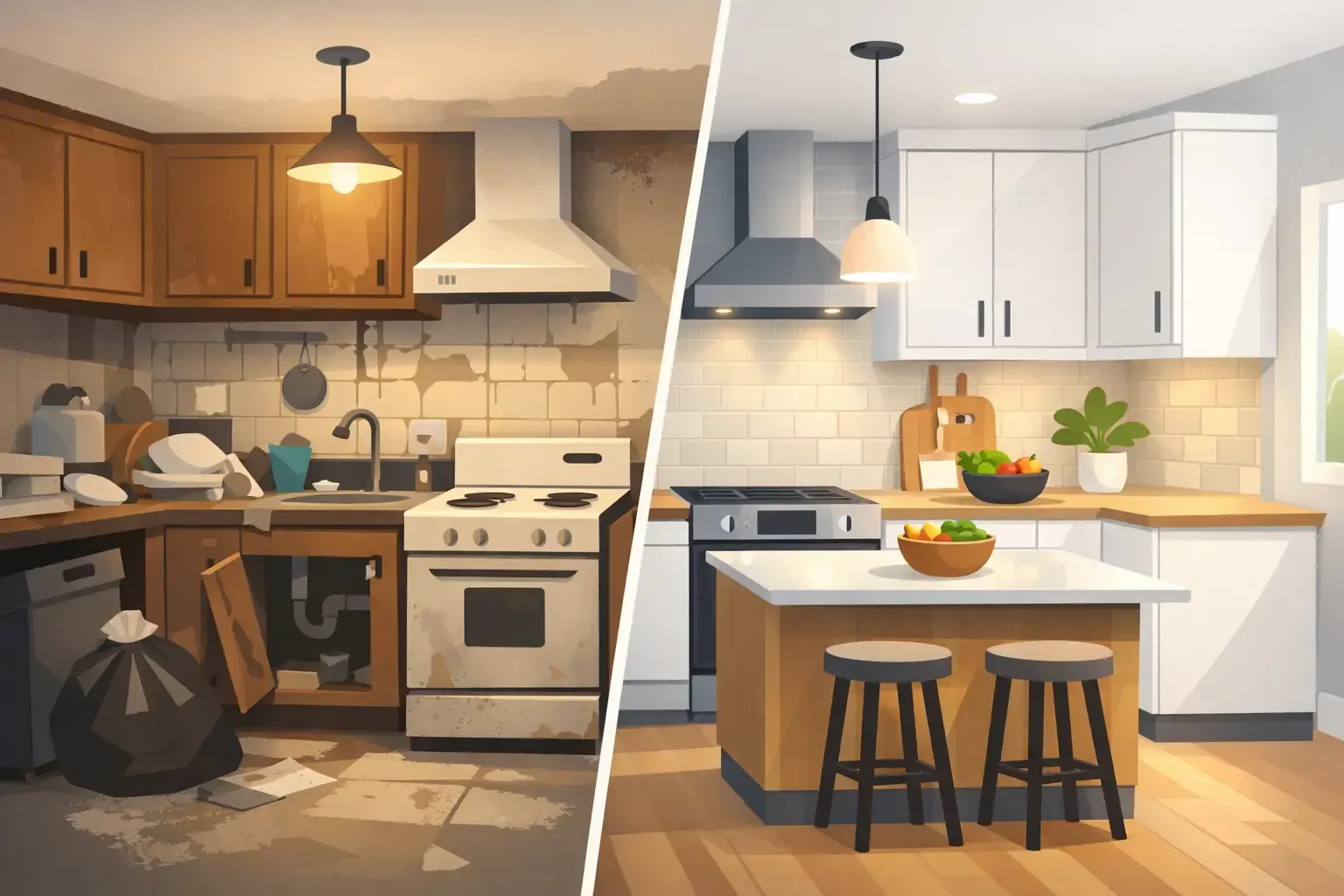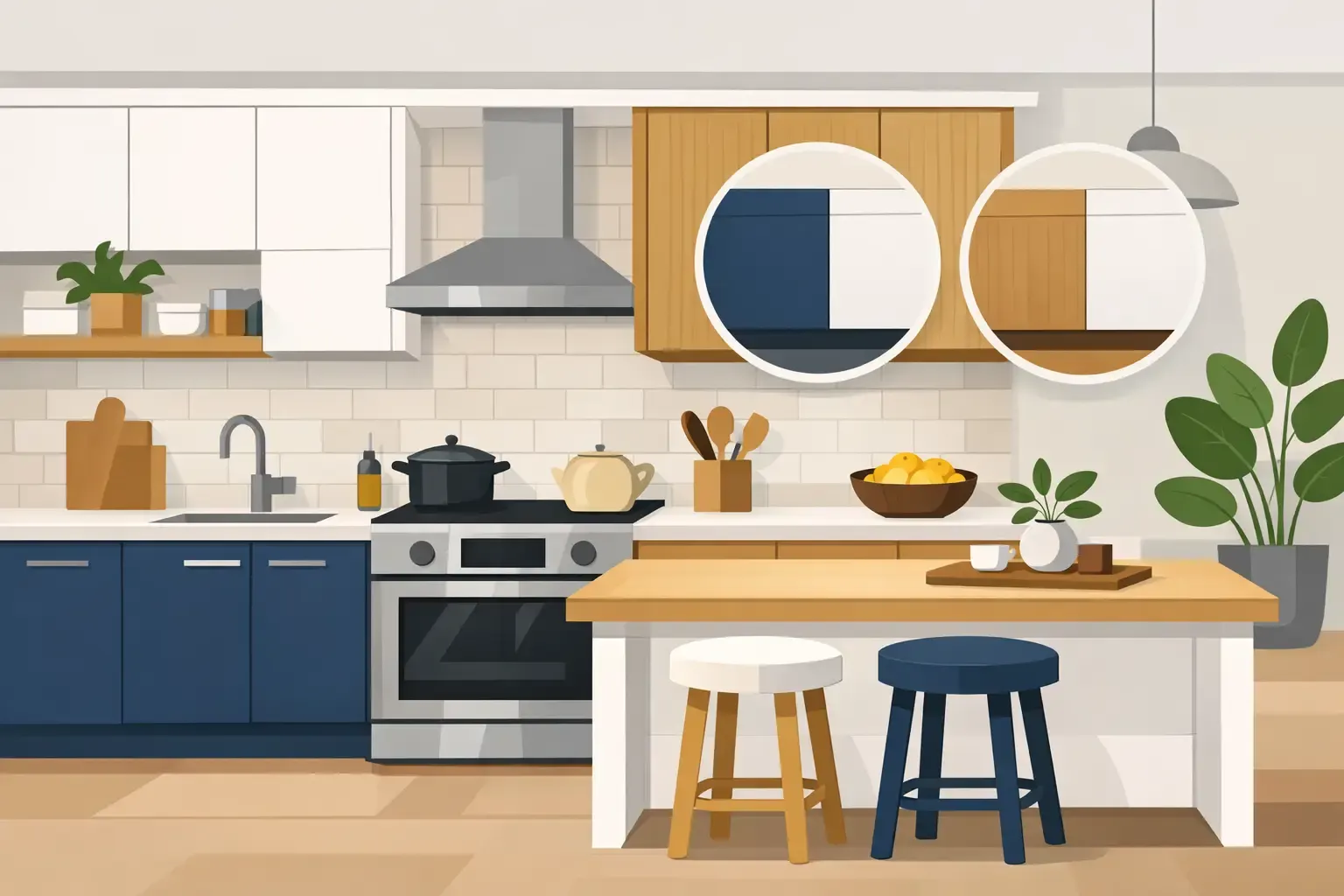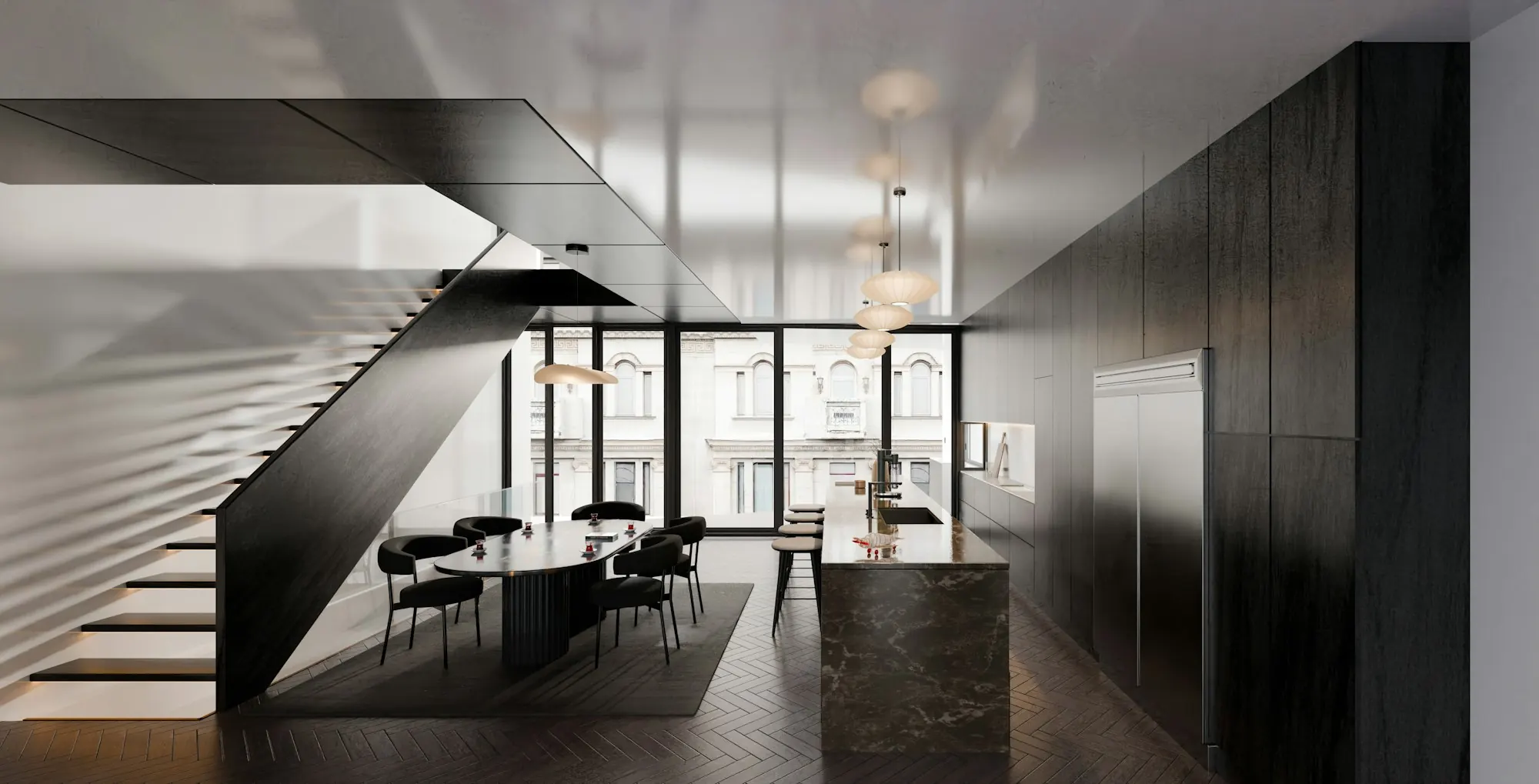
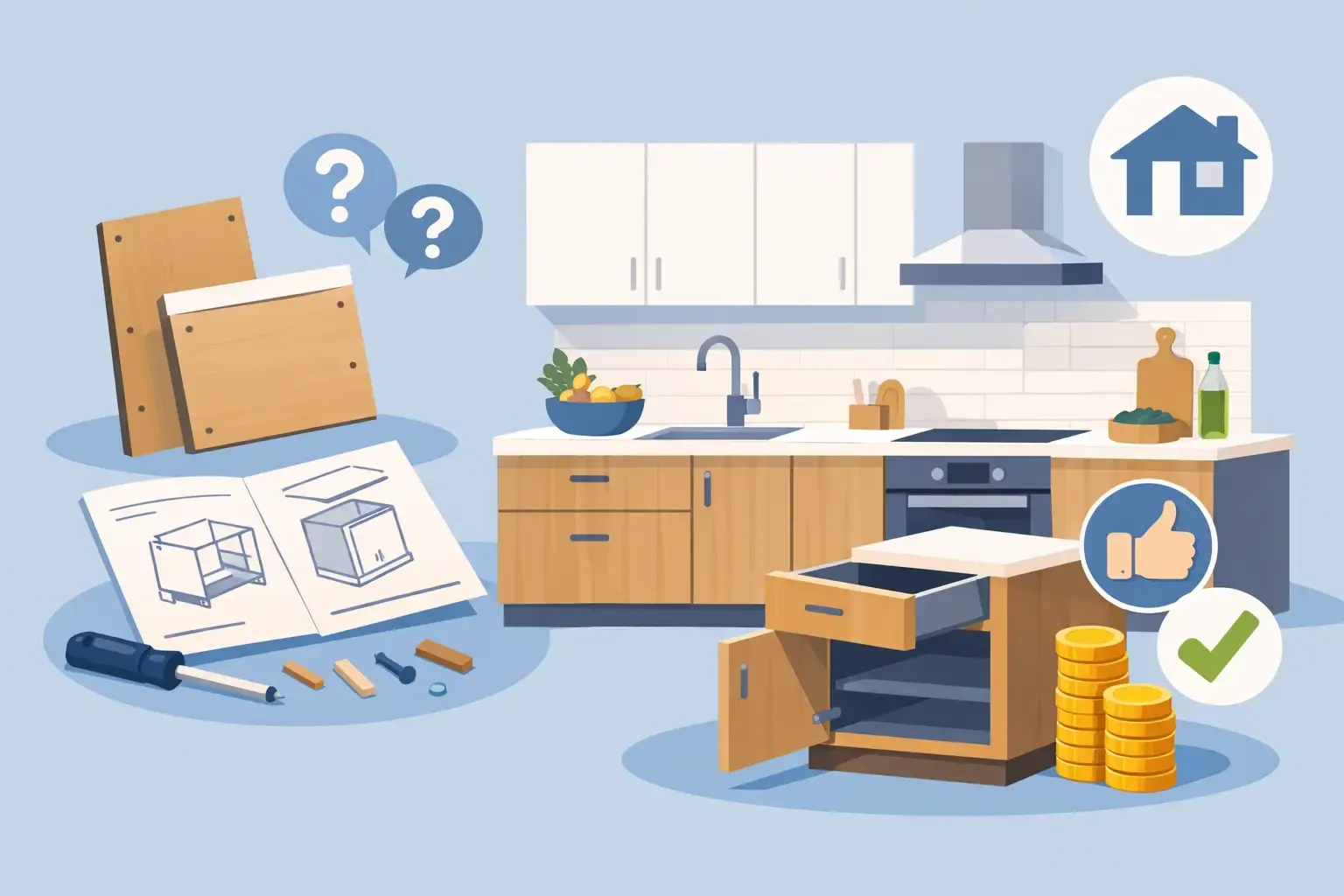
You can spot a rushed cabinet decision the minute the boxes arrive. The finish looks fine online, the price felt manageable, and then reality shows up in the form of confusing assembly instructions, limited sizing, and questions no one answered before checkout. That is why an honest rta kitchen cabinets review matters. For many homeowners, RTA cabinets can be a smart way to control costs and still get a beautiful kitchen. But they are not the right fit for every layout, every timeline, or every expectation.
If you are planning a kitchen remodel in Nashville, Brentwood, Franklin, or nearby Middle Tennessee communities, the real question is not whether RTA cabinets are good or bad. It is whether they match your home, your budget, and the level of finish you want to live with every day.
What an rta kitchen cabinets review should actually cover
RTA means ready-to-assemble. These cabinets arrive flat-packed and are assembled before installation. That simple definition makes them sound interchangeable, but they are not. The quality gap between one RTA cabinet line and another can be significant.
A useful review has to look past the marketing photos and focus on what affects your kitchen long term. That includes box construction, door material, hardware quality, finish consistency, available sizes, lead times, and how the cabinets perform once installed. A cabinet that looks appealing in a sample image can still create headaches if fillers become excessive, storage feels awkward, or the finish does not hold up under daily use.
For homeowners, the biggest appeal is obvious. RTA cabinets usually cost less than fully custom cabinetry and can often be delivered faster. That makes them attractive when you want a major visual upgrade without committing to the price of a fully bespoke kitchen.
Where RTA kitchen cabinets tend to perform well
When the product line is chosen carefully, RTA cabinets can offer very good value. Many are built with plywood boxes, solid wood doors, and soft-close hardware. In the right kitchen, that can produce a finished result that feels polished, functional, and well above what many people expect from a stock-based cabinet program.
They tend to work especially well in straightforward kitchen layouts. If your room uses common cabinet widths, standard appliance spacing, and does not require unusual storage solutions, RTA can be a practical path. Homeowners who want clean design, dependable materials, and predictable pricing often find that RTA cabinetry gets them most of the way to their ideal kitchen without pushing the budget too far.
Another advantage is speed. Custom cabinetry takes time, and for good reason. It is built around your exact dimensions and details. But if your project needs a faster turnaround, a well-selected RTA line can help keep momentum moving. That matters when the kitchen is the center of family life and every extra week of downtime feels expensive.
The trade-offs homeowners should understand
This is where a balanced rta kitchen cabinets review becomes more useful than a sales pitch. RTA cabinets save money partly because they are produced in set sizes and repeatable styles. That efficiency is valuable, but it comes with limits.
The first trade-off is flexibility. If your kitchen has unusual walls, older home quirks, or design goals that need precise dimensions, stock sizing can create compromises. You may need filler strips in places where custom cabinetry would fit flush. You may lose storage in corners or around appliances because the cabinet line simply does not offer the exact configuration your kitchen needs.
The second trade-off is finish detail. Some RTA lines look excellent once installed, while others reveal their price point more clearly at the edges, seams, interior materials, or paint consistency. Homeowners with a sharp eye for millwork often notice the difference. If your goal is a truly furniture-grade kitchen with tailored proportions, RTA may feel close but not exact.
The third issue is assembly and installation. Even good RTA cabinets can underperform if they are poorly assembled or installed without precision. Cabinets must be square, level, properly secured, and carefully aligned. Doors and drawer fronts need adjustment. Gaps need to be managed well. The quality of the final kitchen depends as much on execution as on the cabinet boxes themselves.
Quality signs to look for before you buy
Not all RTA lines are built to the same standard, so it helps to know what separates a stronger option from a risky one. Plywood construction is generally a better sign than thin particleboard, especially in kitchens where humidity and daily wear are factors. Solid wood doors are also preferable, though you still want to ask what the center panel and cabinet interior are made from.
Pay attention to the joinery. Dovetail drawer boxes, solid back panels, and reliable soft-close glides usually indicate a more durable cabinet. Finish quality matters too. Painted cabinets should feel smooth and consistent, not thin or chalky. Stained wood should show even color and clean grain presentation.
It also helps to ask practical questions that homeowners often miss at first. How are replacement parts handled if something arrives damaged? Are matching fillers, moldings, and panels readily available? Does the line offer enough sizes to make your layout look intentional instead of pieced together? Those details affect whether your remodel feels finished or merely completed.
Are RTA cabinets a good fit for higher-end homes?
Yes, sometimes. No, not always.
In homes throughout Belle Meade, Brentwood, and Franklin, we often see two priorities living side by side. Homeowners want a kitchen that feels elevated and lasting, but they also want to invest wisely. That is where RTA can make sense if expectations are matched to the product.
For a secondary kitchen, a rental property, a budget-conscious family remodel, or a straightforward space where layout changes are limited, RTA can be an excellent value. You can achieve a clean, attractive look and reserve more of the budget for countertops, lighting, appliances, or flooring.
But in a home where architectural detail matters, where the kitchen must work around unique dimensions, or where the finish level needs to feel fully custom, RTA may fall short. In those cases, semi-custom or custom cabinetry often creates a better long-term result because the design is built around the room instead of forcing the room to adapt to the cabinet line.
Cost savings are real, but only when the plan is right
One of the biggest myths around RTA cabinets is that the lower sticker price automatically means lower project cost. Sometimes it does. Sometimes it does not.
If the cabinets fit the space cleanly, the assembly is handled correctly, and the installation goes smoothly, the savings can be meaningful. But if the kitchen requires excessive fillers, custom modifications, replacement parts, or labor to correct sizing issues, the value equation starts to change.
That is why cabinet decisions should never happen in isolation. The right question is not just, What do these cabinets cost? It is, What will this entire kitchen cost to finish well? That includes design planning, delivery timing, assembly, installation quality, trim details, and how the final result supports your daily life.
At Tom Bell Cabinetry & Custom, that planning-first approach is what keeps homeowners from getting surprised halfway through a remodel. The cabinet choice has to serve the whole room, not just the initial budget line.
When to choose RTA and when to step up
RTA is worth serious consideration if you want a fresh, attractive kitchen, your layout is relatively standard, and you are trying to balance design with practical spending. It is also a good option when speed matters and you are comfortable choosing from a more limited range of sizes and styles.
You should think about stepping up to semi-custom or custom cabinetry when your kitchen has unusual dimensions, when storage needs are highly specific, or when visual detail is a major priority. The more tailored the room needs to be, the more valuable made-to-fit cabinetry becomes.
The strongest remodels come from choosing the level of cabinetry that fits the house and the homeowner. Not every kitchen needs full custom. Not every kitchen should use stock sizing. Good design is about alignment, not overbuilding.
Final thoughts on this rta kitchen cabinets review
RTA cabinets are not a shortcut to a dream kitchen, but they can be a smart path to one. The difference comes down to product quality, thoughtful planning, and installation that respects the details. If you want your kitchen to feel better every morning, work harder for your family, and still make financial sense, RTA can absolutely belong in the conversation. Just make sure you are buying with open eyes and a clear plan, because the best cabinet decision is the one that still feels right long after the remodel is done.
Built in Nashville, Not Shipped in a Box
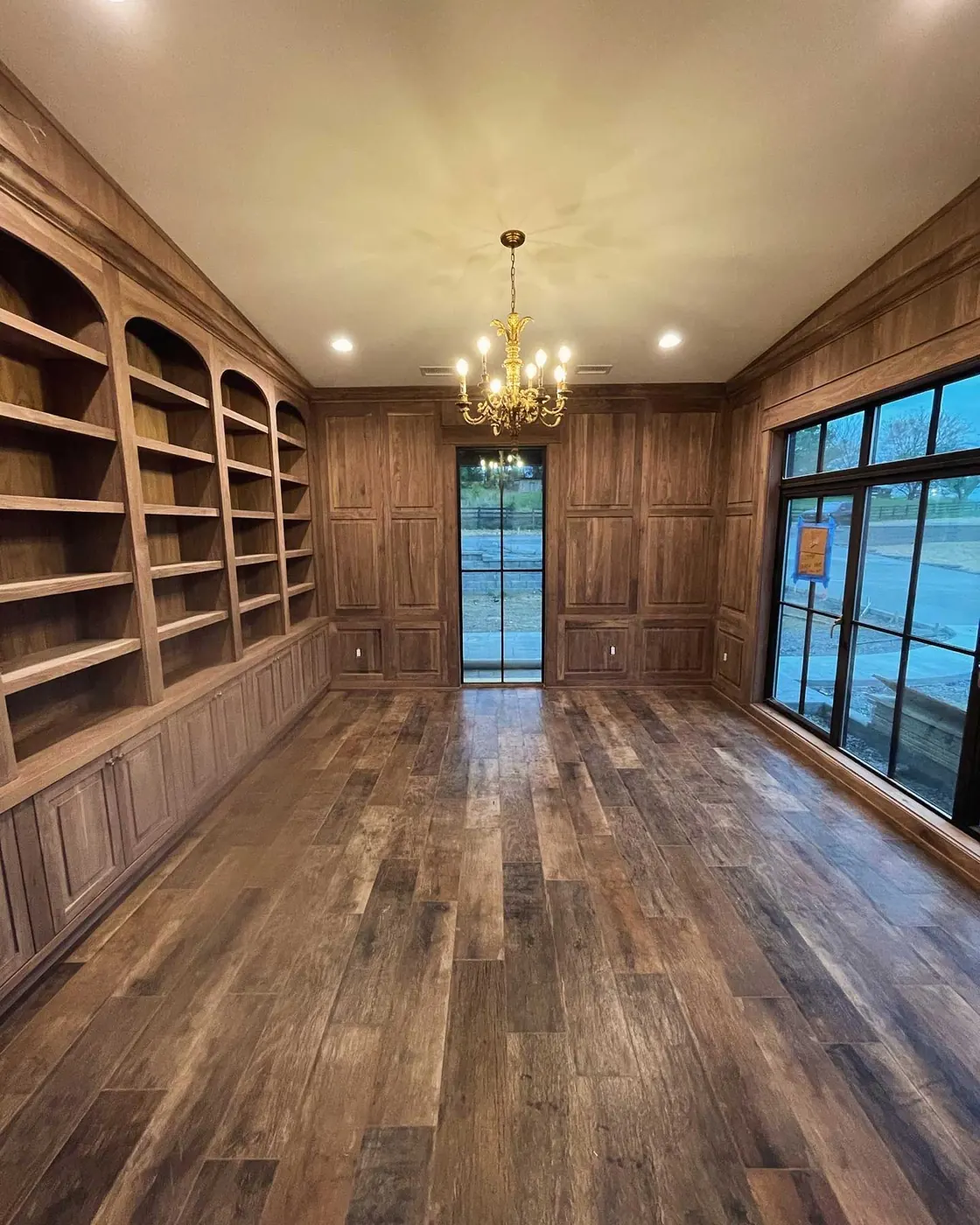
Tom Bell Cabinetry builds custom cabinets in Nashville, TN in our own Madison shop, using solid hardwood, plywood boxes, and a crew that measures, builds, and installs the same job. We also handle architectural millwork and custom built-ins across Middle Tennessee.
Call (615) 469-2781 for a free estimate.